
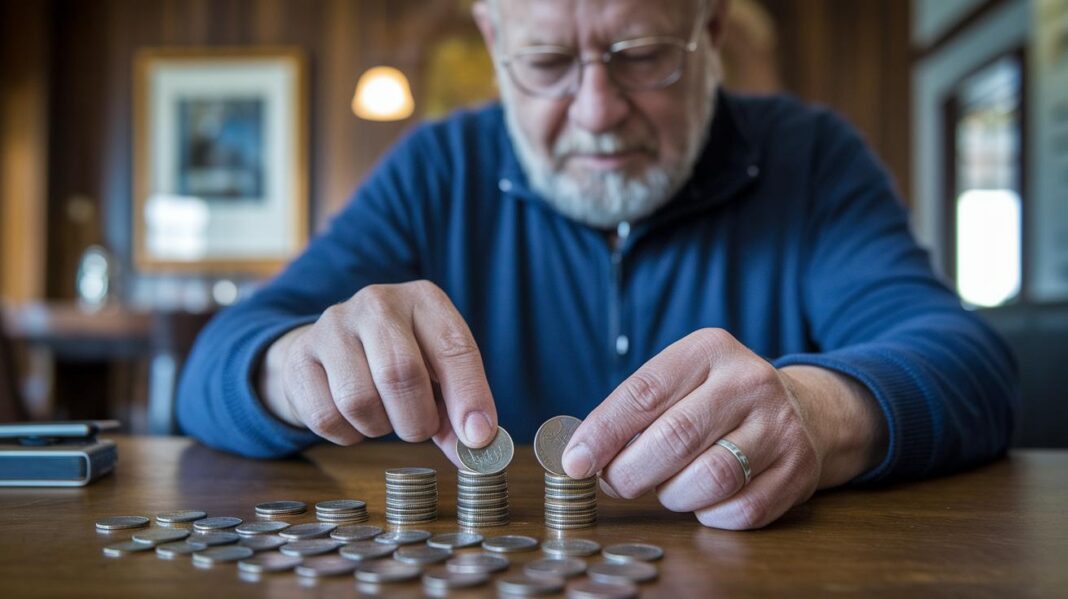
Have you ever wondered if a worn coin might be hiding an amazing secret? These coins grab a collector’s attention with their surprising charm. They may look a bit rough around the edges, but many actually carry a hidden value for both collectors and investors.
Think of it like owning a little piece of history without breaking the bank. By learning what makes these coins different, you can discover hidden treasures that others might easily overlook.
Curious to see how these underrated finds can spice up your collection? Read on and explore the unique opportunities they offer.
Understanding Lowball Coins: Identifying Undervalued Numismatics
Lowball coins are collectible coins that show heavy wear and tear. These coins usually get grades like Poor-1, Fair-2, or About Good-3 because their details and designs have faded over time. Imagine holding a coin where the design is barely visible from years of circulation. In fact, a coin that might be worth hundreds when kept in perfect shape could only be worth a fraction of that if its details are missing or its edges chipped.
Price differences in the market can be huge. Lowball coins typically sell for about one-third to one-half of what coins in higher, well-preserved grades fetch. For example, rare coins like Flowing Hair large cents can come in these lower conditions, which means a big discount. Even coins like the Draped Bust series, usually popular when they're in better shape, can be found in lower grades because perfect specimens are rare. This makes them ideal for collectors on a budget who want to own a piece of history without spending a lot.
Collectors and investors find lowball coins appealing for different reasons. Many collectors pick up these coins to complete their collections rather than to make a quick profit. On the other hand, investors who buy silver often mix lowball coins into their bullion portfolios to keep the numismatic premium low. Whether you’re a hobbyist or a serious investor, lowball coins let you enjoy history and potentially boost your portfolio without a hefty price tag.
Grading Standards and Appraisal Techniques for Lowball Coins
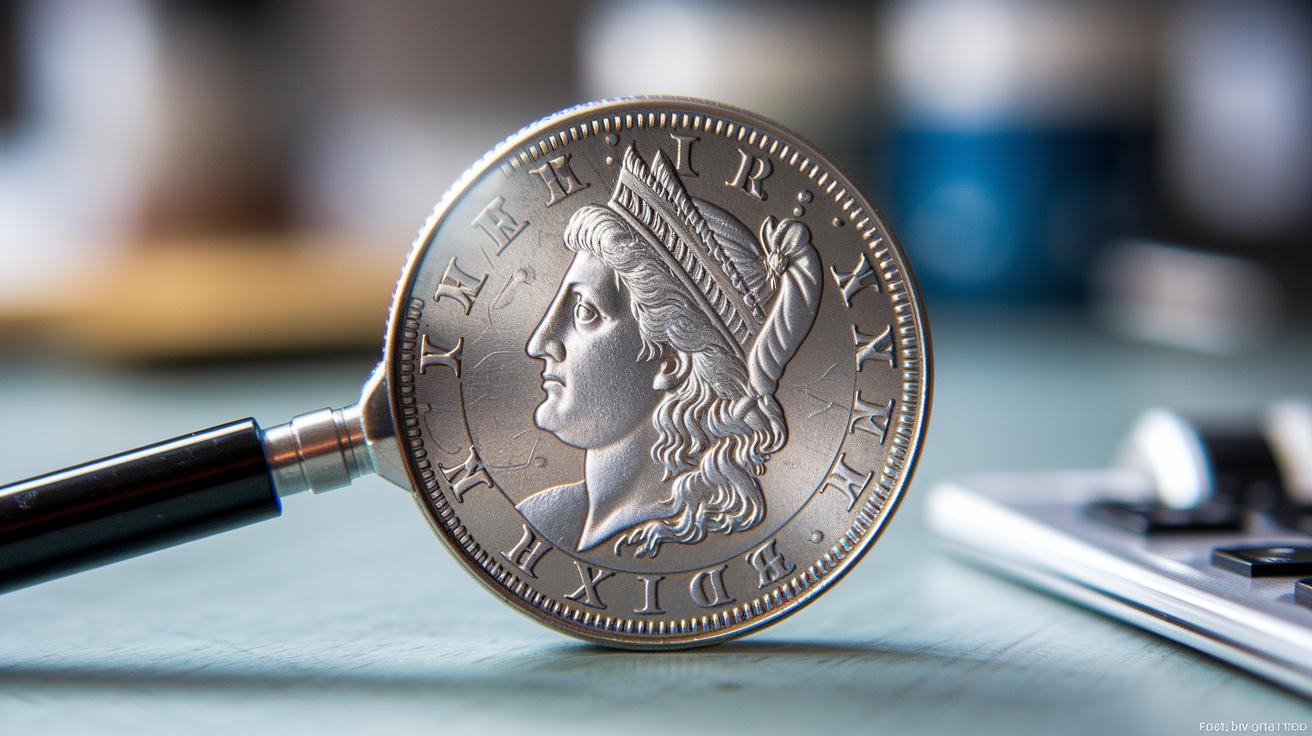
Lowball coins are graded based on how much wear they show. There are three typical grades: Poor-1 for coins where the design is almost invisible, Fair-2 for those with heavy wear, and About Good-3 where you can still see the main outlines. When experts grade these coins, they look at how clear the design is, how sharply the coin was struck (a quick way to check mint quality), and the overall condition.
Many collectors trust certifications from companies like PCGS or NGC. This extra check helps reduce risk because it confirms the coin’s grade. It’s especially handy since coins graded Good-4 and above normally come with a major price premium that lowball coins purposely avoid.
Here are some key points:
| Aspect | Details |
|---|---|
| Grading definitions | Poor-1 (design barely visible), Fair-2 (major wear), About Good-3 (outlines visible) |
| Strike quality | How sharply and clearly the mint pressed the coin’s details |
| Wear patterns | Which areas of the coin are worn and to what extent |
| Cleaning signs | Evidence of cleaning that might affect the coin’s value |
| Certification | Independent verification by trusted agencies like PCGS or NGC |
Even seasoned collectors can make mistakes. Overgrading a worn coin or overlooking cleaning signs can lead to paying too much. Taking the time to check every element against trusted grading standards is crucial. This careful approach lets you invest in coins that combine historical charm with sound value.
Market Trends and Opportunities in Lowball Coins
More collectors are diving into the world of lowball coins. These budget-friendly pieces let you own a little piece of history without breaking the bank. Many buyers are now favoring coins with a bit of wear, which means they've got character and a story to tell. For example, rare coins like the Flowing Hair large cent often sell for about one-third the price of their high-grade siblings, while the Draped Bust dime typically goes for around half. And with online auctions and ANA shows offering lower starting bids, there's a refreshing mix of affordability and history on the market. Silver investors, especially, are turning to coins in fair condition (coins kept in decent shape but with some wear) to keep premiums low and closer to melt values.
There are plenty of chances to explore the antique discount coin market. Buyers are hunting for undervalued pieces to fill gaps in their collections or boost their silver portfolios. Trends show that quality and affordability can go hand in hand, so lowball coins aren’t just cheap buys, they’re smart investments in collectible history. In fact, collectors enjoy lower risk while still capturing the charm of these coins. This new market shift shows that even coins with noticeable wear can offer great historical appeal at attractive prices.
| Trend | Impact | Example |
|---|---|---|
| Online Auctions | Lower entry costs | Rare cents |
| ANA Shows | Bundle lots | Discounted sets |
| Silver Strategies | Minimal numismatic premium | Fair-condition silver coins |
lowball coins Spark Exciting Collecting Finds
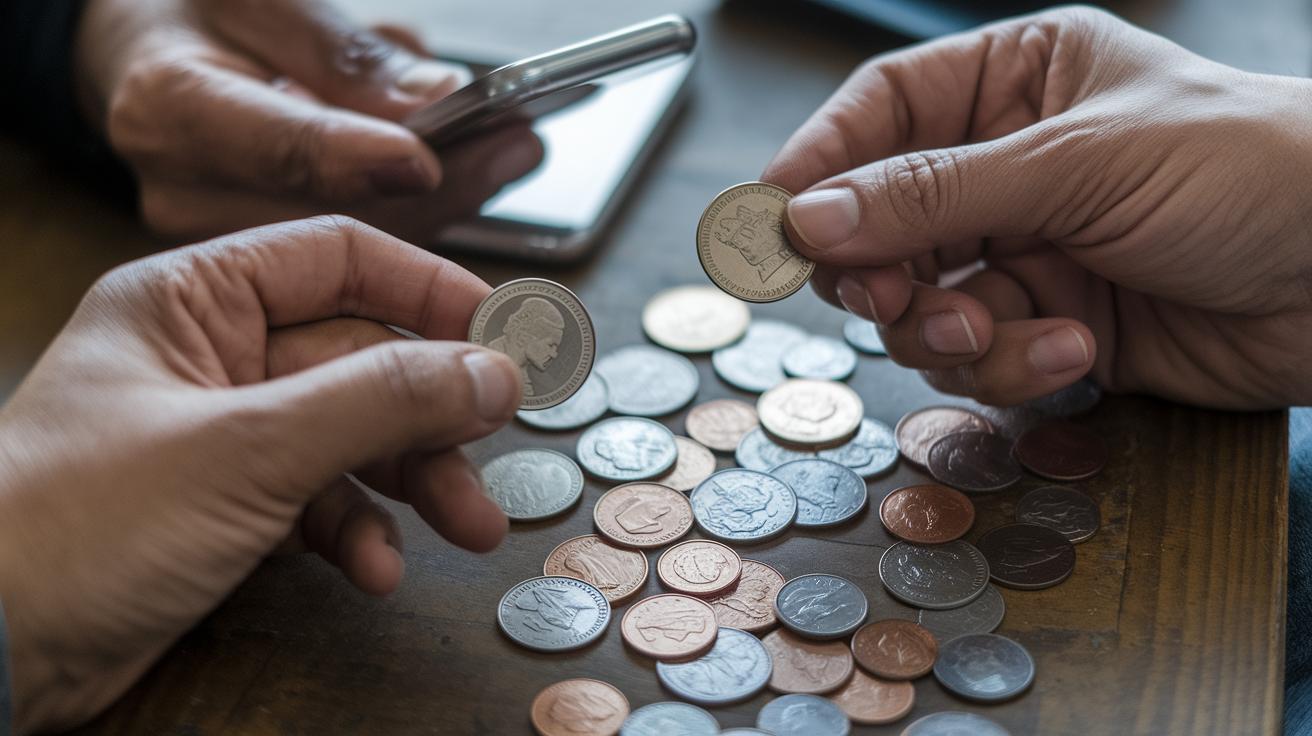
You can often score lowball coins by using smart negotiation and bidding strategies. These coins pop up at estate sales, community shows, and online auctions where people might not notice them at first. Try starting your bid well below the estimated value on coins that show wear, and then adjust your offer based on how rare their condition is. This way, you might grab a quality coin on the cheap and even have cash left for more treasures.
Estate Sales and Local Shows
Take a look around for estate sales and local coin shows near you. Vendors at these events sometimes price coin lots below market value. Chat with them face-to-face and don’t be afraid to suggest a lower price. Sellers often appreciate genuine interest, especially when you’re eyeing a group of coins.
Online Auction Techniques
When you’re shopping online, set a firm limit for your bids so you don’t get caught in a bidding war. Watch the auction timer closely and try placing your bid right at the end. Even if a coin is rare, it might not get much attention, and timing your bid right can mean a big win.
Lot Bundling Strategies
Buying several coins at once can help you save money. Ask the seller if they offer a better price when you purchase a group. This not only drops the cost per coin but also helps you build a fuller collection.
Case Studies: Historic Low Price Finds in Rare Antique Coins
Some collectors have discovered amazing bargains in coins that might seem worn at first glance. Even if a coin isn’t in perfect condition, it can hold a fascinating history and a real hidden charm. These stories remind buyers to look beyond a shiny surface and uncover the unique narrative each coin carries.
One story features a Flowing Hair large cent graded About Good-3 that was purchased for just $120. For comparison, a similar coin in a better state (XF-40) often sells for around $360. This shows that even coins with noticeable wear can be great finds if you know what makes them special.
Another case involves a Draped Bust dime in Fair-2 condition that someone bought for only $45, while the same issue in better, Good-4 condition usually goes for about $90. This difference clearly shows that minor flaws can cut a coin’s price without taking away its historical appeal.
A third example comes from an early 20th-century silver quarter in Poor-1 condition. A bullion investor picked it up for just a bit below its melt value, about 5% less than the current price for the metal. This demonstrates that even heavily worn coins can serve both collectors and investors looking for a budget-friendly way to own silver.
These examples remind us to watch out for issues like overcleaning or misgraded wear that might mislead us about a coin’s true potential. They offer handy lessons on how to balance condition against cost, helping everyone make smart, heartfelt choices when building a collection.
Avoiding Pitfalls When Collecting Lowball Coins on a Budget
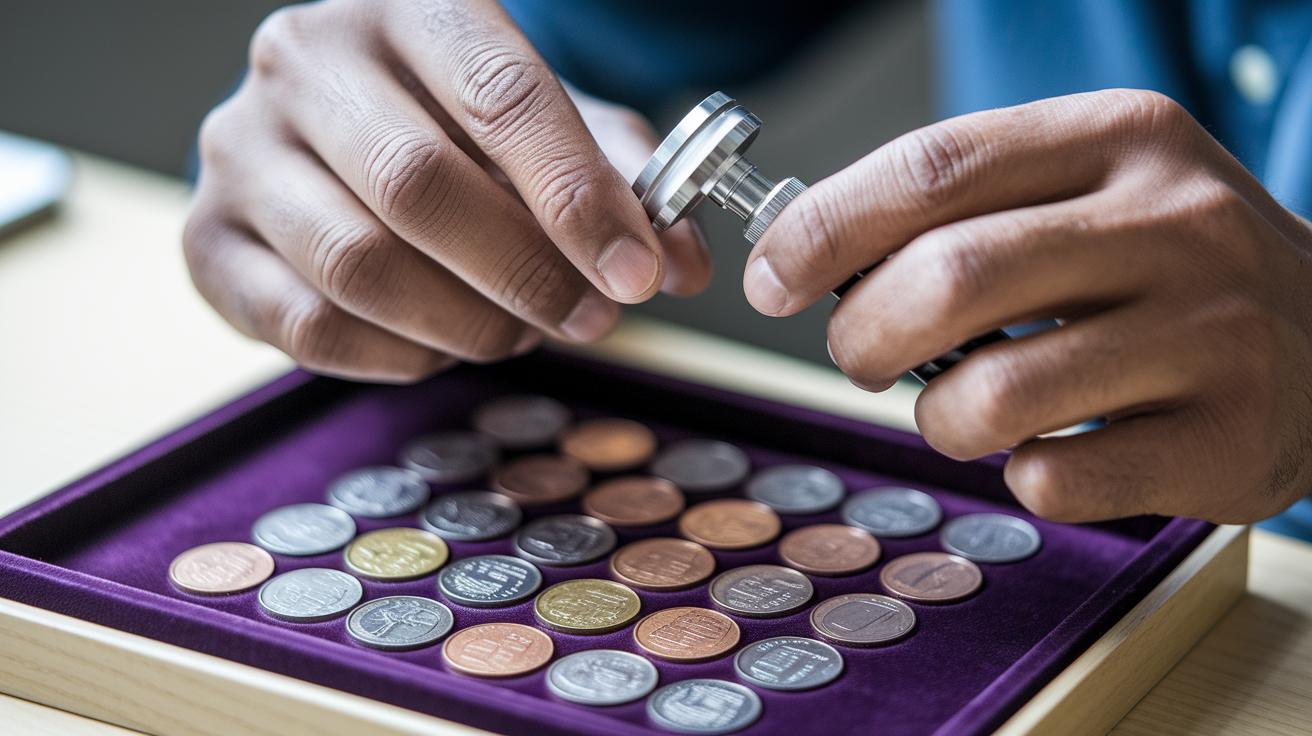
When you're collecting coins on a budget, it's easy to get tricked. Many collectors mix up fake coins or tool marks with actual wear, and even a change in patina can be a warning sign. Overcleaning is another common issue. It can leave a coin looking too shiny or full of tiny scratches that hurt its value. Plus, worn surfaces can hide important details like dates and mint marks, making it hard to check if a coin is genuine. And buying from untrustworthy sellers can really increase your risk of fraud.
A smart move is to buy coins only from trusted dealers or to choose coins that come with a certification. Always take your time to inspect each coin closely, using a magnifying glass can help spot any signs of overcleaning or fake enhancements. It’s important to verify details like mint marks and dates, especially on coins that show a lot of wear. Relying on expert grading can also help you steer clear of expensive mistakes. Taking these steps will make your lowball coin collecting experience a lot safer and more rewarding.
Final Words
In the action, we explored how lowball coins get evaluated using simple grading scales and why their price differences make them attractive for both collectors and investors.
We looked at market trends, smart auction strategies, and real-life finds that show the value in paying attention to detail. This guide helps you identify lowball coins that can boost your collection or portfolio. Keep learning and stay confident in your financial decisions. Enjoy the process and watch your coin collecting efforts grow in worth!
FAQ
What are lowball coins?
The term lowball coins refers to coins graded in lower states like Poor-1, Fair-2, or About Good-3. They carry lower prices compared to well-preserved examples and can fit a collector’s budget.
Are lowball coins worth money?
Lowball coins hold value by selling for roughly one-third to one-half the price of high-grade versions. They serve both collectors filling album gaps and investors seeking bullion pieces with minimal premiums.
What are some of the most valuable lowball coins?
Some of the most valuable lowball coins include rare specimens with historical appeal, such as a worn Flowing Hair large cent, which can offer significant returns despite heavy wear.
How can I find a lowball coins price guide?
A lowball coins price guide provides market values, grading distinctions, and condition-specific pricing. This tool helps collectors assess coin worth and identify undervalued specimens.
How do I assess the value of lowball coins?
Assessing lowball coin value means looking at wear, grade, rarity, and market trends. Certification by trusted grading services like PCGS also confirms a coin’s condition and current market value.
Where can I find lowball coins for sale?
Lowball coins for sale are found at estate sales, local coin shows, and online auctions. These outlets often offer bargains for collectors filling specific gaps or adding budget-friendly pieces.
Why is PCGS important for lowball coins?
PCGS verification adds a trusted slab to a lowball coin, confirming its grade. This reduces risk by assuring buyers that the coin’s condition and market value are accurately documented.
Why is the 2005 $1 coin considered rare?
The 2005 $1 coin is considered rare due to limited mintage or unique distribution factors. This makes it a notable find among lowball coins, drawing interest despite its lower grade in some cases.
What coin typically has the lowest value?
The coin with the lowest value is usually a heavily worn piece, often seen as a distressed penny. Its extreme condition limits its numismatic premium, resulting in a minimal market price.
Which coin is known as the most worthless coin?
The most worthless coin often refers to those with severe wear that offer little collectable premium. Coins in extremely poor condition tend to be valued mostly for their metal content over historical appeal.