

Have you ever wondered if your gut feelings might play a bigger role in trading than detailed analysis? Sometimes our instincts guide us, much like a thermostat reacts when it suddenly gets cold. Our emotions can tip our decisions and push prices away from what logic might suggest. In this article, we explore how everyday biases and feelings can shape market moves. Ready to see how understanding these inner signals can give your trading a little boost?
Defining Market Psychology: How Emotions Drive Market Movements
Market psychology is all about how our feelings guide our investment moves. We often call the market “panicked” or “celebrated,” but really, those words are just our way of describing a mix of human biases and set trading rules. It’s a bit like glancing at your thermostat during a sudden cold snap, you’re not just reacting randomly; you’re following a system that tells you to act.
Behavioral finance digs into why we sometimes stray from clear, logical moves. Fear, greed, or simply following the crowd can nudge prices away from what basic numbers suggest. For example, when many people rush to buy a stock, its price can jump even if the true value stays the same. Many investors might feel an instinct to buy during a fast rise, even if that move doesn’t completely add up financially.
You can see these effects in the way asset prices behave. During times of high optimism, stocks can seem to overinflate. Then, when caution kicks in, a wave of panic selling can push prices sharply downward. This cycle shows how market mood, mixing reason with gut feelings, affects every little price tick.
Core Theories of Behavioral Finance in Market Psychology

Behavioral finance blends classic finance ideas with a bit of psychology to show why we sometimes make less-than-logical choices. Key ideas like prospect theory (how we see gains and losses) and critiques of the efficient market (the idea that prices always reflect true value) remind us that our decisions are often swayed by mental habits. For instance, we tend to put our wins and losses in separate buckets, which can steer us away from straightforward investing.
During a bull market, a surge of optimism can drive stock prices above what they’re really worth. And in a bear market, panic selling can push prices down even more. These reactions show that investors often act on gut feelings instead of relying on careful analysis, creating trends that might seem odd if you only look at traditional economic ideas.
On the other hand, the rational-actor model assumes investors always use clear, data-driven analysis to weigh risks and rewards. But our emotions blur those lines, making it clear why mixing psychology with finance gives us a richer understanding of the market.
Common Cognitive Biases Shaping Market Psychology
Market psychology is shaped by how our minds work when we feel pressure. When trading gets stressful, many of us end up following familiar habits that change how we see risks and rewards. Understanding these biases not only explains why the market sometimes acts oddly but also helps you build strategies to overcome these mistakes.
- Herd Behavior: Many investors tend to follow the crowd, copying what others do even if it drives prices too high.
- Anchoring: Some traders fixate on an initial price and ignore new information that suggests a different value.
- Mental Accounting: Often, investors keep money in separate mental buckets, which can lead to treating gains and losses inconsistently.
- Self-Attribution: Traders may take credit for their wins while blaming outside factors for losses, which can boost overconfidence.
- Confirmation Bias: It’s common to seek out information that confirms what you already believe, dismissing evidence that might point to another strategy.
In choppy markets, these biases don’t work alone, they combine and reinforce each other. When lots of traders stick to one price or keep gains and losses in separate mind sets, the market starts reacting more to emotions than to solid facts. Add self-attribution and confirmation bias to the mix, and you get a cycle of repeated missteps that can trigger rapid shifts in investor mood, challenging even the most disciplined trading plans.
Measuring Market Sentiment: Indicators and Analytical Tools

Understanding how the market feels can really help you fine-tune your trading game plan. Simple tools, like technical indicators and surveys, show you what buyers and sellers are thinking. They point out when the market might be feeling nervous or excited, so you can make moves that fit the mood. In truth, when you mix these signals, you turn a bunch of numbers into a clear view of the market’s heartbeat, helping you time your trades better and avoid unexpected ups and downs.
| Indicator | Purpose | Interpretation |
|---|---|---|
| OBV | Tracks buying/selling pressure | Rising values mean accumulation; falling values suggest distribution |
| MACD | Detects momentum shifts | Crossover points can hint at trend reversals |
| VIX | Assesses market volatility | High levels often show more fear; lower levels indicate calmness |
| Put/Call Ratio | Measures trader sentiment | A higher ratio typically reflects a bearish outlook, while a lower ratio suggests optimism |
These indicators join forces with data from social platforms that checks the general tone, giving you real-time clues about how investors feel. When you spot these trends, you can tweak your strategy on the fly, making complex data easy to follow and turning it into clear, actionable steps for your trading success.
The Emotional Market Cycle: From Euphoria to Despair
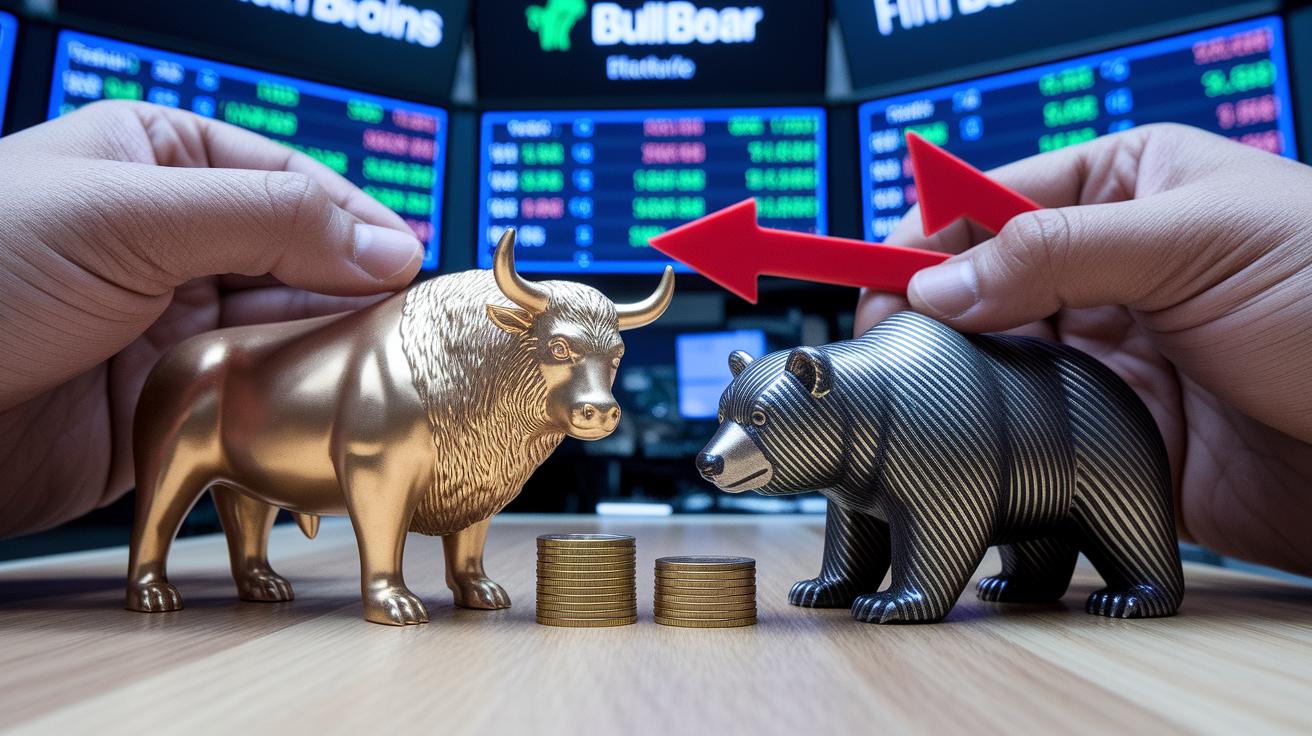
In a bull market, excitement fills the air. Investors are full of energy and ready to take bold risks. It’s like watching your favorite team come from behind to win a tight game. Think about the recent crypto boom: new platforms and digital coins sent waves of hope, even when things weren’t totally clear. I remember hearing how a small investor made impressive gains during that rally, it shows just how much enthusiasm can push prices beyond what most would expect.
Then, bear markets turn the mood on its head. Suddenly, enthusiasm fades and caution takes over. It’s a bit like an unexpected change in weather that leaves everyone scrambling for cover. Take the 2008 financial downturn, for example. Investors quickly pulled out of their positions to avoid bigger losses, showing how quickly confidence can collapse.
Case Study: Dot-Com Bubble Through the Lens of Market Psychology
Back in the late 1990s, the dot-com bubble sparked a wave of excitement among investors. From 1995 to 2000, the Nasdaq climbed five times its value, and tech companies saw their price-to-earnings ratios soar past 200. Investors were buzzing with hope as each new tech breakthrough fueled even more optimism, even though hidden risks were starting to appear.
| Period | Nasdaq Change |
|---|---|
| 1995–2000 | +500% |
| 2000–2002 | -76.81% |
When the bubble finally burst, that same upbeat spirit quickly turned into panic. This shift shows how following the crowd and clinging to those sky-high numbers can push the market to extremes. It’s a clear reminder that investor feelings can make a huge impact on market swings. By studying these trends, you can see just how extreme optimism or fear can lead to dramatic changes, and why sticking to a balanced, careful strategy is so important when things get volatile.
Algorithmic Trading vs. Human Emotion in Market Psychology
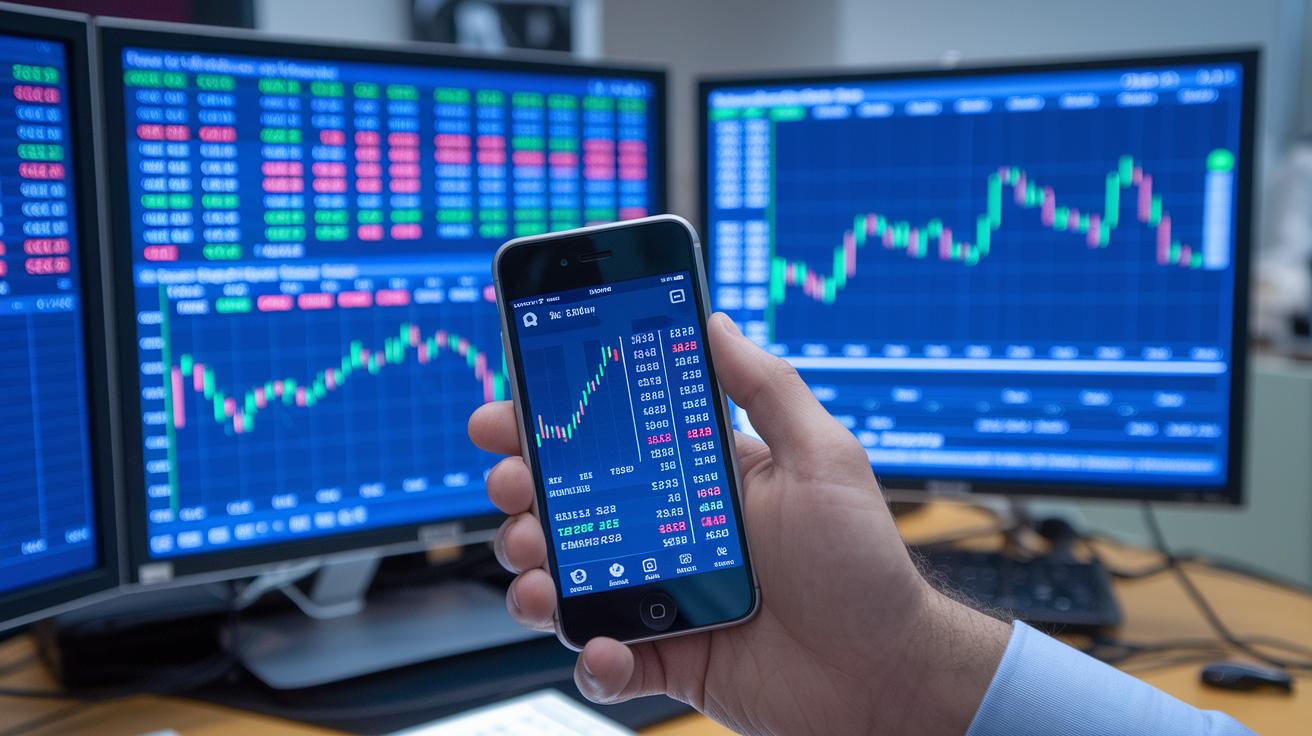
About 60–80% of U.S. equity trades are made by computers these days. These systems use clear, set rules to quickly execute trades, relying on data rather than feelings like fear or greed. But here’s the twist: humans design these rules, so sometimes a bit of old bias can sneak into the mix. For example, a rule based on past price moves might unintentionally echo common emotional reactions, even though the computer itself doesn’t feel a thing.
On the other hand, human traders often let their emotions drive their decisions. When market news stirs up fear or excitement, people might react too strongly and stray from logical choices. Meanwhile, computers can add to the mix by either amplifying these swings with lots of orders at once or by easing off and making quick adjustments. This mix of strict computer rules and unpredictable human feelings creates cycles that can either heighten or mellow out market movements.
Strategies for Managing Emotional Biases in Trading

Staying in control is key for any trader. It means keeping your cool even when the market takes an unexpected turn. Sticking to a clear game plan can help you avoid snap decisions born out of fear or greed, and it builds the mental strength you need for long-term success.
Here are some friendly tips to help keep your emotions in check:
- Pre-defined entry/exit rules: Decide ahead of time when to buy and sell so emotions don’t take over.
- Position sizing: Figure out how much to risk on each trade to protect yourself from big losses.
- Emotion journal: Write down your feelings during trades to spot any patterns that might lead to mistakes.
- Meditation breaks: Take a few minutes to calm your mind and lower stress.
- Periodic performance reviews: Look back at your trades often to learn from both your wins and losses.
- Peer accountability: Team up with other traders for honest feedback so you can keep your decisions balanced.
Taking these steps not only eases the impact of emotional ups and downs but also sets you up for steady improvement. With small, daily adjustments and regular reflections, you'll build a trading routine that grows stronger over time. It’s a bit like tuning a guitar, each little tweak creates a clearer, more reliable sound. And soon enough, what once were reactive moments can turn into thoughtful, well-planned moves that boost your trading success.
Applying Market Psychology: Tips for Investors and Traders

Traders can give themselves an edge by mixing emotional insights into their trading plans. For example, you might pair real-time sentiment signals with your entry points. Combining a technical cue, like a MACD crossover, with mood indicators is like checking the market’s pulse before you move. Even a slight sign of contrarian behavior at market extremes can help you adjust right on time.
When the market mood turns wild, say, when the VIX (a measure of market fear) spikes above 30, it might be a signal to rebalance your portfolio. This active approach can keep risks in check and your strategy steady despite sudden mood swings on the trading floor. Stick with trusted techniques and useful tips, and if you ever need a refresher on solid portfolio rebalancing, click financial guidance for more insights.
Final Words
in the action, we examined how human emotions and biases shape market psychology. From understanding market mood to exploring behavioral finance theories, the blog walked through cognitive biases, technical sentiment tools, and the tug-of-war between algorithmic rules and human feelings.
We also shared practical tips for keeping a cool head amid market swings. This article reinforces that a solid grip on market psychology can boost your confidence and guide smart investment choices. Keep learning, stay curious, and make each decision count.
FAQ
What market psychology book or PDF can I refer to?
The market psychology book or PDF provides practical insights into how investor emotions shape market moves, offering clear examples and explanations that help you understand trading behaviors and biases in everyday language.
How does market psychology affect trading and the stock market?
Market psychology influences trading and the stock market by emphasizing how emotions like fear and greed alter investor decisions, often leading to pricing trends that deviate from fundamental values.
How do I read market psychology charts and literature?
Reading market psychology charts and guides involves spotting trends that reflect investor sentiment, such as shifts in volume or price momentum, which signal behavioral biases like fear or overconfidence.
What does a market psychology course cover?
A market psychology course covers topics like cognitive biases, emotional trading responses, and technical indicators, equipping you with skills to interpret and respond to market moods effectively.
What types of jobs focus on market psychology?
Jobs in market psychology might involve research, trading strategy development, or advisory roles where professionals analyze investor behavior, market sentiment, and behavioral finance models to guide decision-making.
What does the market psychology cycle entail?
The market psychology cycle entails the recurring emotional shifts from euphoria to panic, reflecting stages like optimism, overexcitement, fear, and eventual hope—each impacting market trends and pricing.
Is trading 90% psychology?
Trading is said to be 90% psychology, as it emphasizes how investor sentiment and emotional responses drive market trends, often outweighing pure analytical or technical factors in real-world decisions.
What is the 7% rule in stocks?
The 7% rule in stocks suggests that a typical market return might average around 7% over time, providing a benchmark for investors to gauge performance amid emotional market swings and long-term growth.
How often does a 20% market correction happen?
Market corrections of 20% tend to occur sporadically, usually triggered by shifts in investor sentiment or external shocks, reminding traders to factor emotional cycles and risk management into their strategies.