

Have you ever wondered if your unused crypto could start earning rewards instead of just sitting there?
Staking crypto means you earn rewards by keeping your coins active in the network. It’s a bit like helping out at your local center and getting paid for your time.
In this post, I’ll explain how staking can boost your extra income while keeping digital transactions safe and smooth. This simple step might just brighten your crypto future.
Staking Crypto Explained: Definition, Purpose, and Significance

Crypto staking is a simple way to earn extra income without too much hassle. You lock up your digital coins in a blockchain network, which helps keep the system secure by confirming transactions and updating records. It’s a bit like helping out at your local community center and getting a small reward in return. Before staking caught on, early crypto users just left their coins idle, not knowing they could power entire systems and make some money on the side.
When you stake your coins, you’re not just earning rewards, you’re also playing a key role in keeping the network safe and steady. By locking your coins, you help keep the price stable and even get a say in important decisions about the network’s future. Think of it like having a trusted team that makes sure everything runs smoothly during busy times.
Many people who stake enjoy annual yields that usually range between 5% and 15%. Some networks even offer rates from 4% all the way to over 20%, depending on market conditions. Whether your rewards are added automatically or you reinvest them yourself, remember that fees and shifts in market price can affect your final earnings. In the end, staking not only builds your income but also strengthens the crypto community as a whole.
How the Staking Mechanism Works in Crypto

When you stake your tokens, you pick a proof-of-stake blockchain and lock your tokens for a set time. This helps keep the network secure as it processes transactions. You start by letting your crypto assets work for you, whether you choose a fixed schedule or a more flexible plan, your tokens are busy backing transactions and keeping everything steady.
Locking your tokens also kicks off a process that validates transactions. Your staked tokens help build new blocks on the blockchain. In return, you get rewarded. It’s a smart way to earn some extra income while lending a hand to secure the network.
Validator vs. Delegator Roles
Validators run the software that builds new blocks and keeps the network safe. On the other hand, delegators trust their tokens to a validator and share in the rewards. This way, if you don’t have the resources to run a full node, you can still be part of the process and earn rewards from someone you trust.
Lock-Up Periods & Unstaking Options
Different networks have different rules for how long you must keep your tokens locked. Some let you lock them for a specific period to gain the best rewards, while others allow you to unstake quickly, though you might earn a bit less.
Before you start staking, think about the fees, how trusted the network is, and how much risk you’re comfortable taking. This way, your decision to lock your tokens can work best for your financial goals.
Calculating Your Staking Rewards and APY
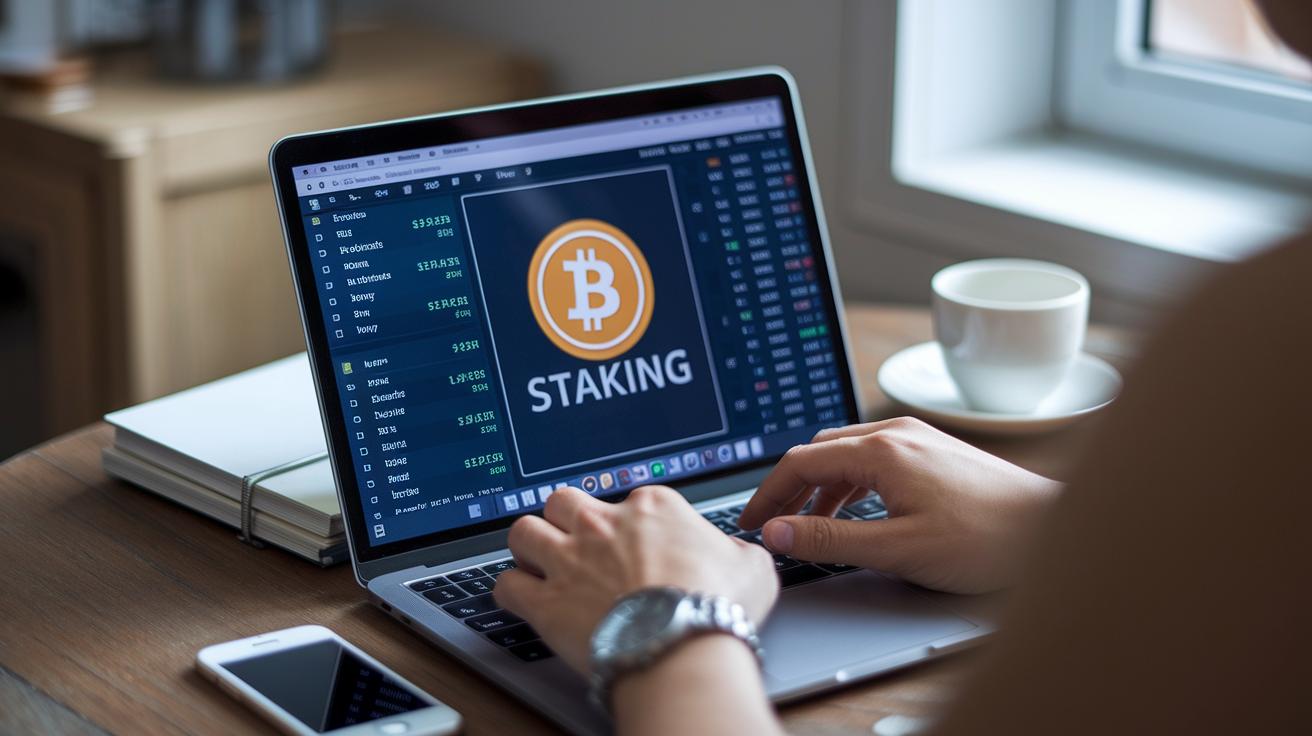
APY, or annual percentage yield, tells you the yearly return on your staked crypto. When you stake your coins, you might see rewards ranging from about 5% to 15%, depending on network demand and the total amount staked. It’s a bit like checking your bank statement and finding a little extra bonus you weren’t expecting.
Compounding is a big deal when it comes to growing your rewards. Some platforms automatically add your earnings to your original stake so you can earn interest on interest. Other systems need you to manually reinvest your gains, which might come with small fees that slightly reduce your net rewards.
It’s a good idea to compare yields across different networks, much like checking interest rates at various banks. Each blockchain has its own reward model, influenced by staking activity and fee structures. So, it pays off to do a little research before you lock in your funds.
Benefits and Risks of Crypto Staking

Staking lets you earn money passively while also helping keep a decentralized network running smoothly. Here, we dive into details that aren’t covered elsewhere, like how inflation might reduce your rewards (reward dilution), how token prices can change quickly, and even penalties (slashing) if validators don’t fulfill their duties. Think of it like checking your budget: reviewing each risk (like a sudden drop in token value, similar to an unexpected high bill when you’re anticipating a paycheck) helps you decide how to best use your funds.
Managing risks in staking is about more than just potential earnings. For instance, funds can be locked up for a while, which means you might not be able to access them quickly. And inflation can slowly eat away at your rewards. Keeping an eye on these risks, such as slashing penalties when a validator fails to meet standards, ensures you’re making choices with a clear head.
| Top Benefits | Top Risks |
|---|---|
| Passive income generation | Token price drops |
| Enhanced network security | Illiquidity during lock-up periods |
| Governance voting rights | Inflationary dilution of rewards |
| Low technical barriers | Potential slashing penalties |
| Support for blockchain integrity | Limited fund accessibility |
By weighing these benefits and risks, you gain a clear idea of what crypto staking involves, letting you plan wisely without needing to revisit the every basic detail of how staking works.
what is staking crypto: Bright Future Ahead

Staking crypto is a smart way to boost your earnings if you choose an option that fits your comfort and funds. More investors are jumping in, and with the right plan, you could grow your rewards while helping keep decentralized networks strong.
Native Node Staking
If you decide to run your own validator node, you'll be hands-on in securing the blockchain. This method usually needs a big investment (think 32 ETH on Ethereum) and means you manage everything yourself. It can offer top rewards and extra voting power when decisions are made in the network. This route works great if you enjoy technical setups and want full control.
Exchange Staking
Using a centralized exchange to stake your crypto is a really easy option. You don't need as much money compared to running your own node, and you can start earning rewards without the complex tech stuff. But keep in mind, your crypto stays with the exchange, which can add a bit of risk. This method is perfect if you like keeping things simple and convenient.
Liquid Staking
Liquid staking adds an interesting twist: you get LST tokens as a sort of receipt for your staked funds. This means your assets stay tradable and you can earn rewards that automatically add up, all without long lock-up periods. It's a great choice for those who want flexibility while still enjoying the benefits of staking.
| Method | Description | Pros | Cons |
|---|---|---|---|
| Native Node | Run your own validator | High rewards, more control | Complex, high investment |
| Exchange | Stake using a centralized platform | Simpler, lower investment | Custody risk, fees |
| Liquid Staking | Receive tradable LST tokens | Flexibility, auto-compounding | Smart-contract risks |
Getting Started: A Step-by-Step Staking Crypto Guide

First off, pick a proof-of-stake token after checking out its basic details and community support. Look into the project’s mission and technical backing to see if it aligns with what you’re aiming for. Once you find a token that seems promising, set up a wallet that works with it. Think of picking your wallet like choosing the right tool, it keeps the whole process smooth and safe.
Next, get your tokens and decide how you want to join in. You can either delegate your tokens to a reliable validator or run your own if you're comfortable with the tech side. At this point, you’re putting your plan into action: put your tokens into your wallet and follow the platform’s steps to lock them in a staking contract. You might see a message like “Confirm deposit and wait for network validation,” which makes the steps clear.
After your tokens are staked, keep an eye on how things are going by checking your rewards and any fees. Regularly visit your staking dashboard and think about reinvesting your rewards, either by doing it yourself or by letting it happen automatically, to boost your returns. This regular check helps keep your staking plan on track with your money goals.
Final Words
In the action, we explored staking crypto essentials, from clear definitions to its role in boosting network security and earning rewards. We walked through the steps involved and compared methods like native node, exchange, and liquid staking, showing both benefits and risks. The guide also offered a practical roadmap to get started. This post helps answer what is staking crypto in a straightforward way. Keep your curiosity high and let these insights empower your financial decisions.
FAQ
Is staking crypto worth it?
Staking crypto is seen as a smart way to earn extra income by locking your funds while supporting a blockchain’s operations. It offers rewards but comes with market uncertainties and token volatility.
What is staking crypto and how does it work?
Staking crypto means you lock digital tokens to help secure a network and validate transactions. By doing so, you earn rewards through a process that involves delegating funds or operating a validator node.
What is staking crypto mining?
Staking crypto mining differs from traditional mining. Instead of using energy to solve puzzles, staking locks your tokens to support block validation on a network, earning rewards without expensive hardware.
What is staking crypto on Robinhood?
Staking crypto on Robinhood lets you earn rewards on your tokens using their platform. It simplifies the process for users but keeps your funds under their custodial control, so review terms before starting.
Is staking crypto safe?
Staking crypto is generally safe if you use trusted networks and platforms. Still, risks like market downturns, lock-up periods, and mismanaged validators can affect your funds, so always do your homework.
Is staking crypto halal?
Staking crypto may be seen as halal by some Islamic scholars if structured without interest or excessive uncertainty. Interpretations vary, so consulting a religious advisor can help determine if it fits your beliefs.
What does staking your crypto do?
Staking your crypto secures the blockchain network and validates transactions. In return, you earn a share of rewards, contributing to network stability while potentially growing your holdings over time.
Can I lose my crypto if I stake it?
Staking your crypto comes with risks such as market price drops or penalties from validator mistakes. While you earn rewards, there’s still a chance of losing value, so assess risk factors carefully before staking.
Is staking crypto high risk?
Staking crypto is generally less volatile than active trading but still involves risks like token price dips and lock-up restrictions. It’s a trade-off between earning passive rewards and exposing your funds to market fluctuations.
How do popular platforms compare for staking crypto?
Popular platforms like Coinbase, Binance, Blockchain.com, Ledger, Crypto.com, and Bybit offer various staking options with different fees, reward rates, and custody models. Compare their features to find the best fit for your needs.