
Have you ever thought that solving computer puzzles could actually earn you money? With crypto mining, you use your computer to crack digital codes (simple puzzles to keep the system safe) and get coins, kind of like earning a bonus each time you beat a tricky level in your favorite game.
Since only a limited number of coins exist, every puzzle you solve moves you a step closer to extra rewards.
In this post, we'll chat about how miners secure transactions (keeping a record of every digital exchange) and help make digital money trustworthy. This clever process opens up a path for better financial rewards.
Ready to see how a few smart moves might give your income a little boost in the world of crypto?
Crypto Mining Sparks Brighter Earning Potential
Crypto mining is when special computers work together to solve tricky puzzles. These puzzles help check digital money transactions and add new coins into the mix, kind of like solving a giant digital riddle to earn a reward.
Take Bitcoin, for example. There can only ever be 21 million coins, and by September 2024, about 19.5 million had already been made. When a miner cracks a hard puzzle, they earn 3.125 bitcoins plus some extra fees. It’s a bit like getting a bonus when you nail a challenging game level.
This process not only creates new coins but also makes sure every transaction is real and unique. By balancing powerful computers with smart checks, mining keeps the digital money system safe and reliable without needing a boss in charge. As technology and the market change, this method can pave the way for even better earnings.
Building Your Crypto Mining Rig: Hardware and Software Essentials

Start by picking out the right hardware to power your mining rig. Today, you can choose ASIC devices like Bitmain Antminer or MicroBT Whatsminer because they're built for speed and energy efficiency. In the early days, miners used regular CPUs, but as puzzles grew tougher, using GPUs or ASICs became the way to go. For example, a Bitmain Antminer can boost your hash rate a lot compared to a standard CPU.
Next, set up your mining software so your hardware can talk to the blockchain. Popular tools like CGMiner and BFGMiner help you fine-tune your system for peak performance. They let you adjust settings to balance speed and power use, ensuring every part works smoothly. And if you’re using GPUs, make sure you have enough cooling set up so your cards don’t overheat. Think of it like arranging your tools on a workbench, each piece has its place to make everything more efficient.
Key setup tasks include:
| Task | What to Do |
|---|---|
| Hardware | Pick devices that offer high hash rates with low power use |
| Software | Install mining programs to keep performance smooth |
| Mining Pool | Join one for more regular payouts |
| Wallet | Set up a secure wallet, like Ledger or Trezor, to store your earnings |
Paying close attention to these details now sets you up for a mining rig that’s secure and reliable. Taking the time to get your hardware and software right can make a big difference later on.
Crypto Mining Energy Consumption and Cost Optimization
Crypto mining rigs use a ton of energy. They can draw thousands of watts per hour, which really hits your profits. Cutting down on power use means choosing smart, energy-efficient equipment and setting up shop in places where electricity is affordable. For example, swapping an old cooling method for a modern, efficient one is a lot like replacing a clunky fan with an energy-saving air conditioner, it keeps things cool and cuts your bills. Energy-efficient cooling can lower your operating cost by up to 30%, much like how switching to LED lights boosts savings.
Picking the best cooling approach is key. Whether you choose open-air setups, immersion cooling, or targeted airflow management, the goal is the same: keep those rigs running cool without wasting energy. And if noise bugs you, adding soundproof enclosures or vibration isolation can really help smooth out the operation.
Some miners even turn to renewable energy sources like solar or wind. This smart move not only cuts long-term expenses but also lightens your mining operation's environmental impact.
| Technique | Benefit |
|---|---|
| Targeted Airflow Management | Efficient cooling with minimal energy usage |
| Soundproof Enclosures | Noise reduction during high operational loads |
| Renewable Energy Integration | Lower energy costs and reduced environmental impact |
In short, smart investments in energy-saving tech and eco-friendly practices are the heart of cost optimization in crypto mining.
Crypto Mining Profitability and ROI Metrics
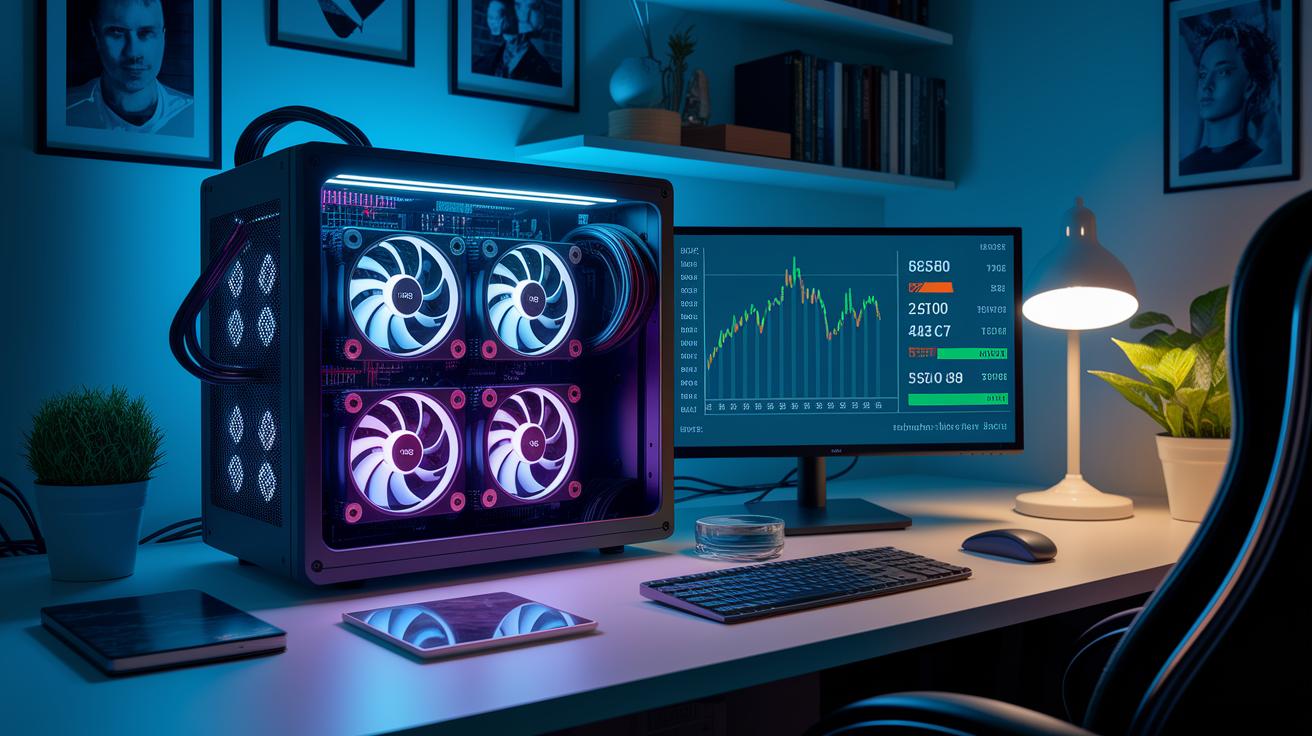
Crypto mining earns you rewards from two main sources: block rewards and transaction fees. For example, each block may give you 3.125 BTC plus extra fees from transactions. To see how your setup is doing, you can use a profitability calculator. These tools consider your computer’s speed (hash rate), energy use, electricity cost, and even how hard the network is working. Sometimes, even a 10% boost in hash rate can help you break even sooner.
ROI shows how quickly you earn back the money you spent on your mining gear. Think of it like testing if a new machine works fast enough to cover its cost. When your miner runs quicker and uses less power, you see more profit in your earnings. Tweaking both the hash rate and the speed can really make a difference.
A cost-benefit analysis can help you decide if your mining setup is paying off. It tells you when you've reached a break-even point and when you start actually earning extra cash. One miner, for instance, boosted his hash rate by 10% and nearly cut a month off his break-even time. Small improvements like that can really add up.
Key things to watch include:
- Profitability calculators: Check them often to see how your setup is doing.
- ROI analysis: Compare what you spend on hardware with what you earn over time.
- Investment criteria: Weigh your starting costs against future gains.
- Hash rate improvements: Keep an eye on how fast your system is processing.
- Speed enhancements: Look for ways to boost overall efficiency.
| Metric | Insight Provided |
|---|---|
| Hash Rate | How quickly your mining rig processes data |
| Energy Consumption | Cost of running your mining equipment |
| ROI | Time needed to earn back your investment |
By checking these tools regularly, you can compare different investment choices and find ways to boost your crypto mining earnings.
Crypto Mining: Solo Versus Pool Mining Approaches
Solo mining gives you the chance to earn the whole block reward when you solve a block, but the odds are pretty slim because there’s fierce competition. It’s a bit like trying to win a raffle on your own instead of teaming up with friends, you might win big, but the chance is very small.
On the other hand, pool mining brings a group of miners together to work on cracking the puzzles. Each miner earns a share based on their contributed work (hash rate). This means you get smaller rewards more regularly, even after the pool deducts a fee. For instance, by joining a pool, you’re more likely to see steady payouts, though they won’t be as huge as a solo win.
Here are a few key points to consider:
- Pool performance: Check past data for consistent and efficient rewards.
- Fee structure: Understand what fees the pool takes from your earnings.
- Decentralized benefits: Some pools offer extra flexibility and lower risks.
- Multi-pool strategy: Switching pools based on profitability might boost your returns.
- Partnership evaluation: Make sure the pool’s reputation and security measures are solid.
In the end, it’s about what works best for you. Whether you choose solo mining for the chance at a big win or prefer the steady rhythm of pool mining, you’ve now got a clearer view of your options.
Crypto Mining Altcoins: Methods and Algorithmic Diversity
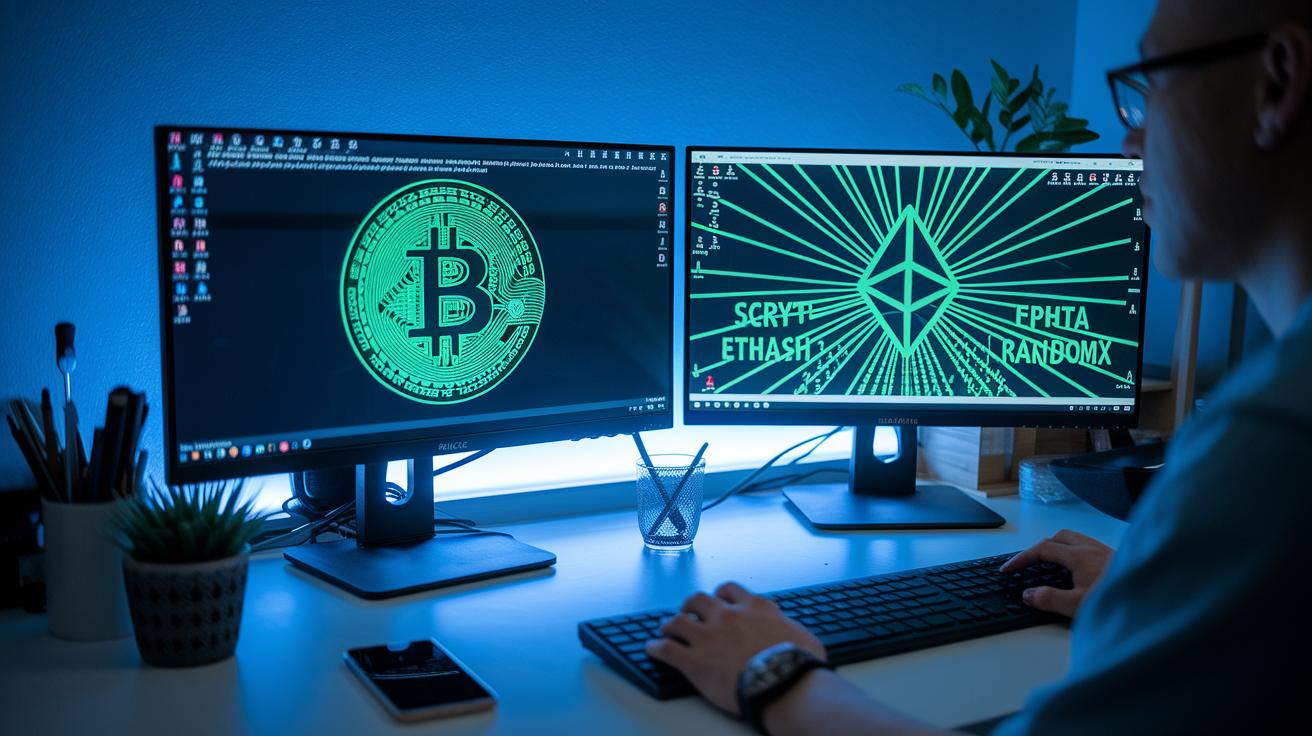
Crypto mining is not just about Bitcoin. Altcoin mining uses different methods that add variety to how coins are created. For example, while Bitcoin uses a proof-of-work system that needs a lot of energy for hashing, many altcoins use methods like Scrypt, Ethash, or RandomX. Each of these algorithms solves puzzles in its own way, giving rise to various techniques for generating coins.
Mining altcoins often means trying out different ways to earn coins. Some projects use liquidity mining in decentralized finance (a way to earn tokens by putting funds into special protocols), while others offer cloud-mining services. With cloud mining, you can buy mining contracts without needing to manage hardware. Imagine your mining setup quietly working in the background, much like a garden that steadily grows fresh produce.
Another important point is the difference between proof-of-work and proof-of-stake. In proof-of-stake, you create coins by holding tokens instead of solving tough puzzles. This approach uses less energy and changes the way coins are produced on the blockchain. It’s a refreshing shift that might interest anyone looking to explore more eco-friendly options.
Key strategies include:
- Looking at different algorithms to pick the best altcoin for you.
- Trying both hardware-based and cloud-based mining methods.
- Keeping an eye on new trends in the altcoin market.
These fresh techniques give crypto miners new chances to move beyond Bitcoin and dive into a wider digital asset world.
Regulatory, Legal, and Security Considerations in Crypto Mining
When you earn a reward from mining, it counts as income based on its market value. If you run mining as a business, you might have to pay taxes on it like wages or self-employment money. Think of getting your first block reward, it’s not just a bonus, it’s income that needs to be reported.
Legal rules can differ a lot from one country to another. That’s why it’s important to check your local laws and any license requirements before you start. Imagine a miner who takes a moment to read the local rules before setting up shop, by doing this, he avoids fines and stays on solid legal ground.
Security is just as important as following the law. You need strong protection to fend off network attacks and safeguard your expensive mining equipment. Regular checks can help you spot any weak areas, and extra measures like firewalls and monitoring tools work much like locking your house when you leave. These steps help keep your operation safe from cyber threats.
Remember these key points:
- Stay updated on your local rules and required licenses.
- Understand the local legal guidelines and tax obligations.
- Keep assessing your security measures and protect against cyber threats.
Advanced Trends and the Future of Crypto Mining

Imagine your mining rig of the future. It uses next-generation ASIC chips and GPUs built for fast puzzle-solving. This kind of upgrade is like trading a bicycle for a zippy electric scooter, it cuts down on power use and amps up performance.
Cloud-based mining is changing the game by letting you manage your system from anywhere. Automated platforms give you real-time updates, so you can check on your setup just like you review your investment updates on your phone.
Decentralized processing is making mining more scalable. Multiple systems now work together to share tasks, much like pooling resources with friends on a big project, every bit of help makes a difference.
GPU miner trends are evolving as hardware keeps getting better. With automated integration, it’s easier to add new tech on the fly. In the future, your mining rig may run smoother and face less downtime, sort of like swapping an old clunky engine for one that starts with a single click.
Looking ahead, expect more rigs to tap into renewable energy and eco-friendly designs. Sustainable practices will keep crypto mining efficient and affordable as technology continues to advance.
Final Words
In the action, we covered crypto mining fundamentals and the essentials for rig building, from hardware to software setups. We examined energy consumption tips, profitability and ROI metrics, and compared solo versus pool mining. We also touched on altcoin strategies along with legal and security considerations.
The insights in crypto mining guide you to build a more informed approach. Stay curious, keep refining your methods, and let financial empowerment give you the confidence to thrive in this space.
FAQ
What is crypto mining?
The process of crypto mining means using specialized computers to solve puzzles and verify transactions, which produces new coins while keeping the network secure.
Is crypto mining illegal?
The topic of crypto mining being illegal means it’s legal in many areas. Laws differ by region, so it’s smart to check locally before engaging in mining activities.
How do crypto mining sites and companies work?
The idea behind crypto mining sites and companies means they offer platforms or services that connect users with mining power, providing the tools and contracts necessary to mine cryptocurrencies.
What is a crypto mining machine?
The term crypto mining machine refers to hardware like ASIC devices built for high-speed coin production, offering energy efficiency and improved performance compared to older mining setups.
What is a crypto mining app?
The explanation of a crypto mining app means it’s software designed for smartphones or computers that helps users manage and monitor mining operations in a simple, user-friendly way.
How does free crypto mining work?
The idea of free crypto mining means some platforms let you mine small amounts of cryptocurrency or try out mining without an upfront cost, typically offering lower rewards compared to paid options.
Why is crypto mining noisy?
The explanation for crypto mining being noisy means that mining rigs use powerful fans and cooling systems to manage the heat generated by hardware, which naturally produces higher sound levels.
How long does it take to mine $1 of Bitcoin?
The explanation of mining $1 of Bitcoin means that time varies by hardware efficiency, network difficulty, and electricity costs, often taking longer as mining challenges increase.
Do crypto miners actually make money?
The idea behind crypto miners making money means miners can earn profit if setups are efficient and energy costs are low, though earnings fluctuate with market trends and mining difficulty.
What is easy crypto mining?
The explanation of easy crypto mining means simplified methods are available for beginners, including user-friendly apps and pooled mining, which reduce the technical challenges of solo mining.
What about Bitcoin mining apps like Libertex and other online mining platforms?
The idea behind Bitcoin mining apps means mobile or online platforms offer streamlined interfaces for managing mining activities, sometimes partnered with trusted companies like Libertex for enhanced user experience.