
Ever wonder if a sudden spike in crypto trades means big gains or hidden risks? Crypto volume analysis shows you what’s really happening by connecting the number of trades with actual price moves. It lets you see when strong buyers back a price jump or when a drop hints at change.
In this article, we break down the basics. We point out clear trading patterns and signals that can help you move with confidence. Check it out to learn how watching volume trends turns everyday market buzz into smart trading hints.
Crypto Volume Analysis Fundamentals for Market Trend Evaluation
Trading volume shows how many tokens or contracts get traded over a given period. It gives you a clear picture of market activity. Often, a sudden high volume happens right before big price changes. For example, if a coin suddenly sees many trades, it might mean that strong buyers are stepping in.
You can also use volume to check if a price move has solid backing. When prices go up along with high volume, it means buyers are really interested. But if volume drops, it might be a sign of wavering confidence or a possible trend reversal.
Volume analysis also helps you figure out if the market is liquid enough for smooth buying or selling. Many traders look at on-chain data (a clear look at network use and investor actions) to find the best times to enter or exit their trades.
You can even track digital assets throughout the day using volume trends to catch quick market moves. Some tools, like a volume profile chart, highlight key areas where most trades happen. These profiles help confirm price breakouts and show the market’s momentum, making it easier to follow daily trends.
Key Indicators for Crypto Volume Analysis

Let’s break down a few key tools that help you see what’s really happening in the crypto market. These indicators mix trade volumes with price details to show when buying or selling pressure is shifting. They make it easier for you to tell if a price move is gaining strength.
Money Flow Index (MFI)
The Money Flow Index blends volume with price action to spot when a coin might be overbought or oversold. In simple terms, it gives you a heads-up if buyers or sellers are starting to lose their momentum. For example, if the MFI reaches very high levels, it could be a sign that the market is due for a drop.
On Balance Volume (OBV)
On Balance Volume keeps track of buying and selling by adding up the volume from both sides. Think of it like watching money flow in and out of an asset. When OBV climbs along with rising prices, it usually confirms a strong uptrend.
Chaikin A/D Oscillator
This tool measures the change in market momentum by comparing recent trading activity with longer-term trends. In practice, if prices are climbing and the Chaikin A/D Oscillator also goes up, it suggests that more people are piling in, adding extra strength to the move.
Volume Weighted Average Price (VWAP)
VWAP calculates an average price for the day, taking into account the volume traded at each price level. It’s like checking your daily schedule, it helps traders see if the current price is supported by the overall trading activity. When VWAP stays below today’s price, many see it as a sign that buyers are calling the shots.
Volume Weighted Moving Average (VWMA)
The Volume Weighted Moving Average smooths out the price action by giving more weight to periods with higher trading volume. What this means is that it highlights steady trends rather than random, isolated trades. When the VWMA moves in line with upward prices, it often points to a solid buying trend, and the reverse for downward moves.
Market Liquidity Scrutiny through Crypto Volume Metrics
Composite volume profiles are a handy way to check how liquid the digital asset market is. They show three key areas: High-Volume Nodes (HVNs), Points of Control (POCs), and Low-Volume Nodes (LVNs). HVNs are spots where lots of trades happen, hinting at strong market activity. The POC is the precise price within an HVN that saw the most trades, often acting like a magnet for price movement. In contrast, LVNs are areas with few trades, which might signal an upcoming breakout or simply lower interest.
Imagine you notice a thick HVN that overlaps with a clear POC, this means many traders consistently chose that price level. On the other hand, a widening LVN could suggest the market is about to shift gears.
| Node Type | Description |
|---|---|
| High-Volume Node (HVN) | A spot with lots of trading activity |
| Point of Control (POC) | The price within an HVN with the highest volume |
| Low-Volume Node (LVN) | An area where few trades occur |
These metrics help traders spot imbalances in the order book and follow liquidity trends, making it easier to decide when to act in a volatile market.
Trend Validation with Crypto Volume and Price Action

When prices go up with lots of trading activity, it usually shows strong buying interest. Traders take this as a sign that buyers really believe in the move. Picture a coin’s price jump paired with a sudden surge in volume, it’s like hearing a cheering crowd at a big game that makes the uptrend feel solid.
On the other hand, if prices rise with only a little trading, it could mean the rally isn’t built to last. Even though prices are climbing, having fewer traders involved suggests the move might be weak. Imagine a runner sprinting on an empty track; without much energy behind it, the momentum might fade quickly.
Another important signal is when price and volume don’t match up. This happens when prices move one way but the trading volume goes in another direction. For example, if prices keep rising while volume slowly drops, it might be hinting that a change is coming. Think of it like a car speeding on a wet road, if there isn’t enough grip, control could slip, so it’s a cue to watch carefully.
False breakouts happen when there’s a quick spike in volume at key levels that doesn’t last. At first, the surge looks promising, but if volume soon drops off, the move might not hold up. It’s like a flash of lightning that fades almost instantly, leaving you unsure of its strength. All these clues, strong moves, weak rallies, mismatches between price and volume, and false breakouts, help you use volume trends with price action to see if a market move really has good support.
Real-Time Monitoring with Automated Crypto Volume Alerts
Trading platforms now offer real-time dashboards that notice sudden swings in trading volume compared to normal levels. Imagine your dashboard lighting up just like a friendly text alert when a token’s volume goes higher than you’d expect. Automated bots or simple scripts work around the clock, watching how orders flow and sending you a signal when there’s an unexpected surge or drop. This quick-alert system helps you respond fast in a market that can change in a heartbeat.
With these dashboards, you can also set your own rules for what counts as unusual activity. Think of it like setting an alarm clock for market moves, you choose the trigger, whether it’s a 10% jump or a 5% drop from average levels. Many popular trading platforms let you adjust these settings, or you might build your own setup using simple scripts. In practice, these alerts help you catch a great opportunity, dodge a potential loss, or spot the early hints of a market shift. This smart mix of technology and hands-free tracking can be a real game-changer for anyone trading in the fast-moving crypto world.
Advanced Crypto Volume Analysis Strategies for Risk Management
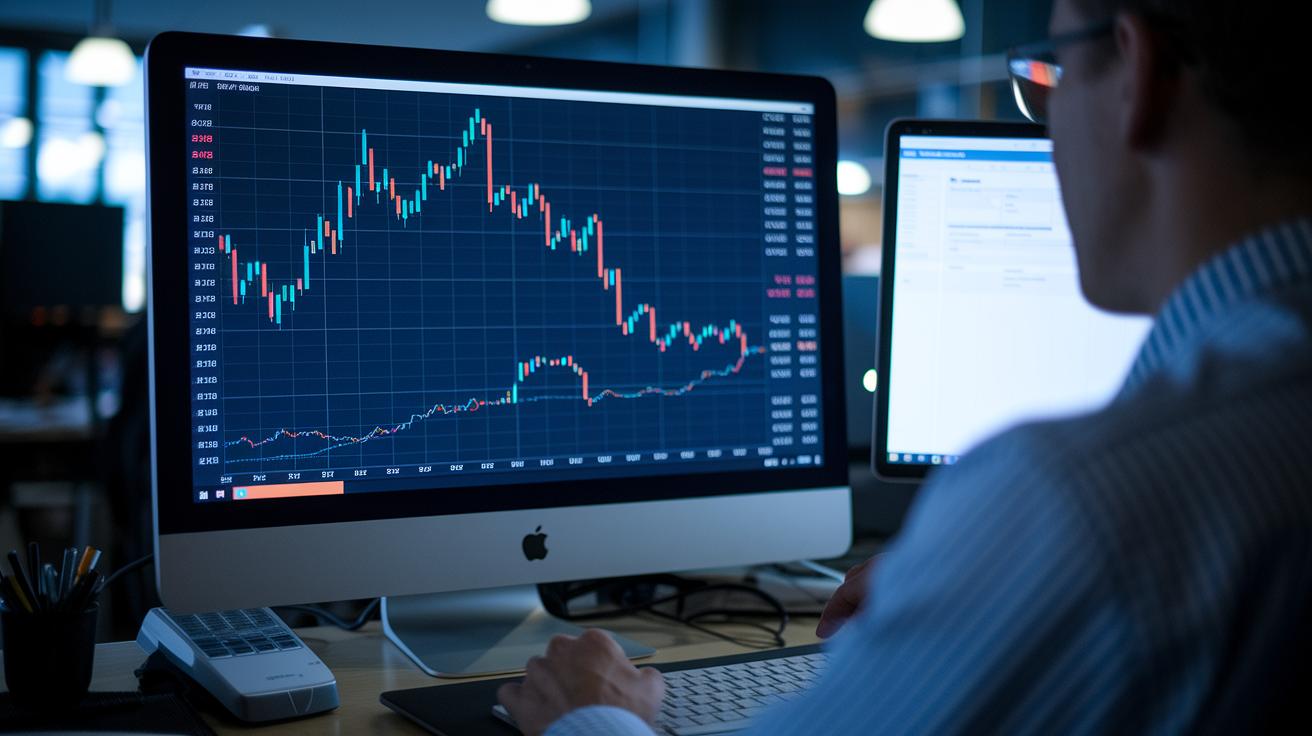
When it comes to setting stop-loss orders, using volume patterns can be a real lifesaver. Imagine your trading as riding a bike on a changing road; when the usual flow of volume breaks away from the norm, it’s like your bike suddenly hitting a bump. In these moments, you can trigger a stop-loss order based on a drop below your usual volume average. This helps close your positions before losses start to pile up.
Another handy trick is anomaly detection. Sometimes, you might see sudden, unexpected spikes in trading volume, almost like a fire alarm going off. These surprises often hint at upcoming market swings. When this happens, it might be smart to tighten your stop-loss levels or even shrink your position sizes a bit. It’s a way to stay ready and react quickly if the market turns sour.
Finally, forecasting models, like using moving average volume bands and set statistical limits, help you get a peek at future trends. Think of these models as your personal weather forecast for trading – they tell you when a change might be brewing. By keeping an eye on these signals, you can adjust your trades to match the current market vibe, staying balanced even when things move fast.
Final Words
In the action, the post broke down how volume analysis crypto reveals market signals. It explained what key volume indicators show, how liquidity insights mark support, and why matching volume with price helps spot trends. Real-time alerts and risk management strategies were also highlighted to support informed investing. Each section offered clear steps and guidance for understanding when to buy or sell, assess momentum, and position trades smartly. These insights put you in control of your investments and set a solid base for confident financial decisions.
FAQ
Q: What is a volume analysis crypto chart?
A: A volume analysis crypto chart shows trade volumes alongside price movements. It confirms trends and breakouts, giving traders a clearer picture of market liquidity to make informed decisions.
Q: How do volume analysis crypto apps benefit traders?
A: Volume analysis crypto apps offer real-time insights by tracking trade activity and liquidity. They help traders spot critical market moves and set alerts for timely entries and exits.
Q: What are the best volume analysis crypto tools?
A: The best volume analysis crypto tools combine interactive charts, live dashboards, and customizable alerts. They empower traders to confirm breakouts, gauge momentum, and assess liquidity quickly.
Q: What does a live crypto dashboard show?
A: A live crypto dashboard displays updated market data, including volume spikes, price movements, and order flow. It lets traders monitor market dynamics at a glance for faster decision-making.
Q: How does a crypto volume tracker work?
A: A crypto volume tracker collects and displays the total number of tokens traded over time. It highlights volume surges and trends, helping traders time entries and exits effectively.
Q: What is a crypto volume chart?
A: A crypto volume chart represents the trade volumes over time alongside price action. It helps verify market moves and liquidity, serving as a vital tool for confirming trends and key price levels.