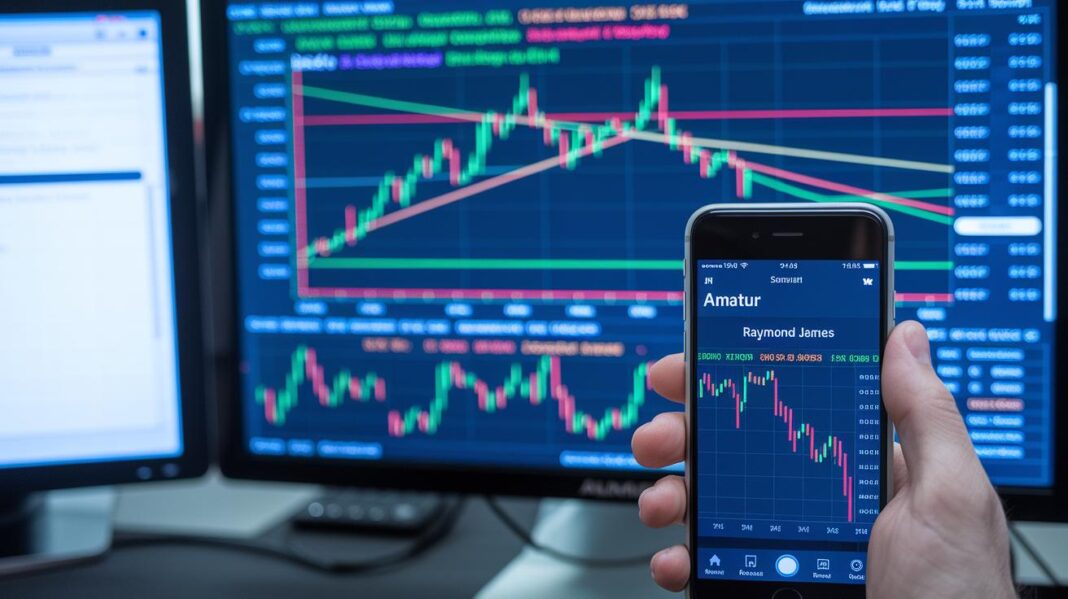

Ever wondered how a digital coin that started almost worthless ended up capturing global attention? Bitcoin’s journey is filled with unexpected twists, from its first trade on PayPal to record highs that left experts scratching their heads. Its story goes beyond just numbers, it’s a tale of persistence and surprise. We’ll walk through the key moments that sparked its rise and look at how those events still shape today’s buzzing market. Stick with us as we uncover how past milestones continue to empower Bitcoin’s market strength.
Comprehensive Overview of Bitcoin’s Price History and Key Milestones
Bitcoin kicked off its journey on January 3, 2009, when the very first block was mined. This event marked the start of a digital currency that isn’t controlled by any single person or bank. With a cap of 21 million coins and the ability to break each coin into eight parts, Bitcoin was designed to be scarce, a key trait that helps shape its worth. This setup paved the way for Bitcoin's long ride upward, even though its price has gone through plenty of ups and downs over time.
In late 2009, something big happened: the very first market trade took place. A trade of 5,050 BTC was made on PayPal for just $5.02, meaning one bitcoin was worth about $0.00099. Imagine discovering a secret treasure hidden right in your backyard! As time went on, Bitcoin's price moved from nearly nothing to record highs that caught the attention of the financial world. Its wild swings may seem intense, but they also show just how lively and ever-changing the market can be. Traders often dive into charts and analytics to understand these movements better.
| Date/Year | Price | Event |
|---|---|---|
| Jan 2009 | $0.00099 | First PayPal trade (5,050 BTC) |
| Nov 2013 | $1,200 | Mainstream attention spike |
| Dec 2018 | $3,709 | 73% annual drop |
| Apr 2021 | $64,000+ | All-time high |
| Jan 2024 | $49,000 | ETF approval peak |
Even with all the ups and downs, Bitcoin’s steady growth continues to draw in investors and curious onlookers. Its ability to bounce back time and again shows just how resilient and adaptable it can be in various market cycles.
Bitcoin’s Initial Price Milestones (2009–2012)

In Bitcoin’s early days, people felt a mix of excitement and caution. They saw prices below a dollar as a sign of hidden potential rather than a fully developed asset. One writer captured that vibe perfectly by saying, "Imagine spotting an asset trading at less than one cent and feeling the thrill as it gradually transforms into a digital phenomenon."
Back then, the market felt more like a testing lab. Trading was slow, and many treated each transaction as a trial run instead of a serious investment. Later on, as more people joined in, trading picked up and became much more unpredictable.
| Period | How Investors Felt | Market Behavior |
|---|---|---|
| 2009–2011 | Careful curiosity | Low prices, experimental trades |
| Post-2012 | Rising faith in digital money | More trades, increased ups and downs |
This early phase of low prices and trial trades laid the groundwork for understanding new financial ideas. It was like a playground that helped shape Bitcoin into the robust market asset we see today.
Bitcoin’s First Mainstream Surge (2013–2017)
Back in 2013, Bitcoin started to catch the eye of both investors and the media. People began talking about it not just as an experiment but as a promising way to change how we think about money. Every day, stories popped up about surprising wins and the real financial potential behind this digital coin.
By early November 2013, Bitcoin’s price leapt from about $213 to over $1,200 in just a few weeks. This dramatic jump made headlines everywhere. But soon, regulatory news from China forced a quick pullback, financial institutions were banned from trading Bitcoin, and the price fell to around $805 by the end of the year. One writer even said it felt like, “the market took a deep breath after a swift sprint.” That captures the wild ups and downs well.
This bumpy ride helped shape Bitcoin’s image as a speculative asset. The excitement in the media and growing investor buzz set a pattern that still echoes today. In truth, while the ups and downs can be nerve-wracking, reaching such high price marks has kept Bitcoin at the center of conversations among traders, analysts, and anyone curious about the future of money.
Bitcoin Price Fluctuations and Downturn (2018–2020)

In early 2018, Bitcoin's value took a steep dive, losing about half its worth in just a few weeks. This drop came on the heels of market hype and a rush of profit-taking after the record highs of 2017. Many traders were caught off guard, one even said it felt like riding a roller coaster without a seatbelt.
By the close of 2018, Bitcoin was trading around $3,709, which marked a 73% fall for the year. The slump stemmed from a mix of negative market moods, new regulatory hurdles, and technical issues that added extra bumps along the way. Some investors saw this as a clear signal to tighten their risk management, much like a sudden alarm that urges you to slow down.
After the wild ride of 2018, the market started to feel a bit steadier in 2019 and 2020. Although prices were still far below the 2017 highs, trading activity picked up and a sense of cautious hope began to replace that overwhelming fear. Traders adjusted their strategies gradually, keeping an eye out for the chance to turn the tide and spark a new market rally.
Bitcoin’s 2021 Breakout: ATH and Institutional Adoption
In early 2021, simple changes in the economy and strong support from the Fed set Bitcoin on a big upward path. Liquidity, low-interest rates, and a generally upbeat market made investors feel safe enough to try digital assets. It was like watching a tide slowly rise, with each small bit of support adding up to a big wave.
As time passed, big companies and institutional players began to join in. Their moves pushed Bitcoin's price to over $64,000 by mid-April. Picture it like a machine running smoothly, where steady momentum and smart injections of money kept everything moving. It wasn’t just luck, these major investors played a key role by buying large amounts and showing strong market confidence.
Reaching record highs changed how people saw Bitcoin. Hitting that all-time high made Bitcoin look like a reliable store of value and showed that the market was maturing. This milestone gave long-term investors more trust in Bitcoin as a serious asset.
Bitcoin Price Behavior During the ETF Era (2024–2025)
When the SEC gave its nod, Bitcoin ETFs got official approval and trading started on January 11, 2024. This move made many investors feel safer and showed a warm vote of confidence for digital assets. It not only reassured those already holding Bitcoin but also opened the door for a wider group of people curious about the digital market.
Before this announcement, Bitcoin prices jumped close to $49,000. It was a true breakout moment that caught the eyes of seasoned investors and newcomers alike. The surge, fueled by heavy trading and buzz in the market, showed how a big regulatory step can drive prices up even before the rules fully kick in.
In the following weeks, the rapid rise softened a bit, yet trading stayed busy. This steady volume indicated that the market was adjusting as traders reconsidered their positions amidst mixed feelings. Essentially, the scene balanced early excitement with a slow move toward a more stable market, reflecting Bitcoin’s usual dynamic shifts.
Understanding Bitcoin’s Volatility and Cycle Patterns
Bitcoin’s price swings can feel like a wild roller coaster ride. One moment, you see prices soaring, and the next, it can drop by more than 60% in a single year. It might seem a little scary, but these big ups and downs show how active and responsive the market is to events happening around the world.
Many folks interested in Bitcoin use simple tools like trend analysis (watching the overall price movement) and seasonal analysis (looking at recurring patterns) to get a clear picture of these cycles. These tools help investors understand why prices rise and then pull back.
| Factor |
|---|
| Four-year halving events |
| Regulatory shifts (e.g., PBoC ban) |
| Macro liquidity policies (Fed actions) |
| Bull/bear market transitions |
| ETF-related surges and corrections |
Even with all these dramatic moves, Bitcoin has shown a steady long-term upward trend. It often bounces back after severe drops and even reaches new peaks, giving a unique opportunity for those who understand market cycles.
At its core, Bitcoin’s wild journey is driven by a mix of gut reactions and careful recoveries, making it a fascinating part of the financial world that's worth keeping an eye on.
Final Words
In the action, we explored bitcoin's journey from its early, near-zero trades to the heights of institutional breakthroughs and ETF-driven shifts. We saw how pivotal moments, from the genesis block to recent ETF impacts, reflect repeated cycles of volatile spikes and steady growth.
Every phase offers valuable context on bitcoin's price history and its long-term upward trend. Embracing these insights can inspire confidence as you shape a future built on informed investment choices and resilience.
FAQ
What does Bitcoin’s price history graph show?
The Bitcoin price history graph shows Bitcoin’s evolution from its early days in 2009 to today, highlighting key price milestones, dramatic rises, and marked corrections over time.
How can I view Bitcoin’s price history by year and over 5 or 10 years?
Viewing Bitcoin’s price history by year, or over 5 and 10-year spans, reveals clear annual trends and long-term growth cycles, helping investors see both short-term fluctuations and enduring progress.
What is the projected Bitcoin price in 2025?
The projected Bitcoin price in 2025 is shaped by past market trends and ongoing institutional interest, with expectations of further upward movement as the global market matures.
What was Bitcoin’s price in 2000?
Bitcoin had no price in 2000 since it was introduced in 2009. Early trading began nearly at zero, marking the start of its long transformation into a major digital asset.
What is the highest Bitcoin price in INR?
The highest Bitcoin price in INR corresponds with major global market surges, reflecting strong conversion rates when international trading levels reached record highs.
How much was 1 Bitcoin worth in 2009?
In 2009, 1 Bitcoin was worth about $0.00099, following the very first trade, which set the stage for the coin’s dramatic growth over the ensuing years.
What was the price of 1 Bitcoin in 2012 and how did it start?
In 2012, 1 Bitcoin mostly traded below one dollar, continuing the trend from its inception when initial trades occurred at nearly zero value, laying the groundwork for its future surge.
What if I invested $1000 in Bitcoin 10 years ago?
Investing $1000 in Bitcoin 10 years ago would have yielded significant returns, thanks to its long-term upward trend despite periods of high volatility, illustrating its potential for substantial growth.
How does Bitcoin compare to cryptocurrencies like Ethereum and Dogecoin?
Bitcoin remains the original digital asset, setting the foundation for the market, while cryptocurrencies like Ethereum and Dogecoin offer different features and use cases, contributing unique benefits to the crypto space.