Have you ever wondered how a product gets from the factory to your doorstep? It's all about distribution channels. Think of them like a simple puzzle where every piece matters. Whether a product comes straight from the maker or passes through stores and middlemen, every step is set up to get it to you quickly and affordably.
In this post, we'll share real-life examples that reveal how these channels help businesses thrive and make customers happy. So, let’s break down the process that keeps commerce humming along.
Distribution Channels Examples Overview: Definitions and Models
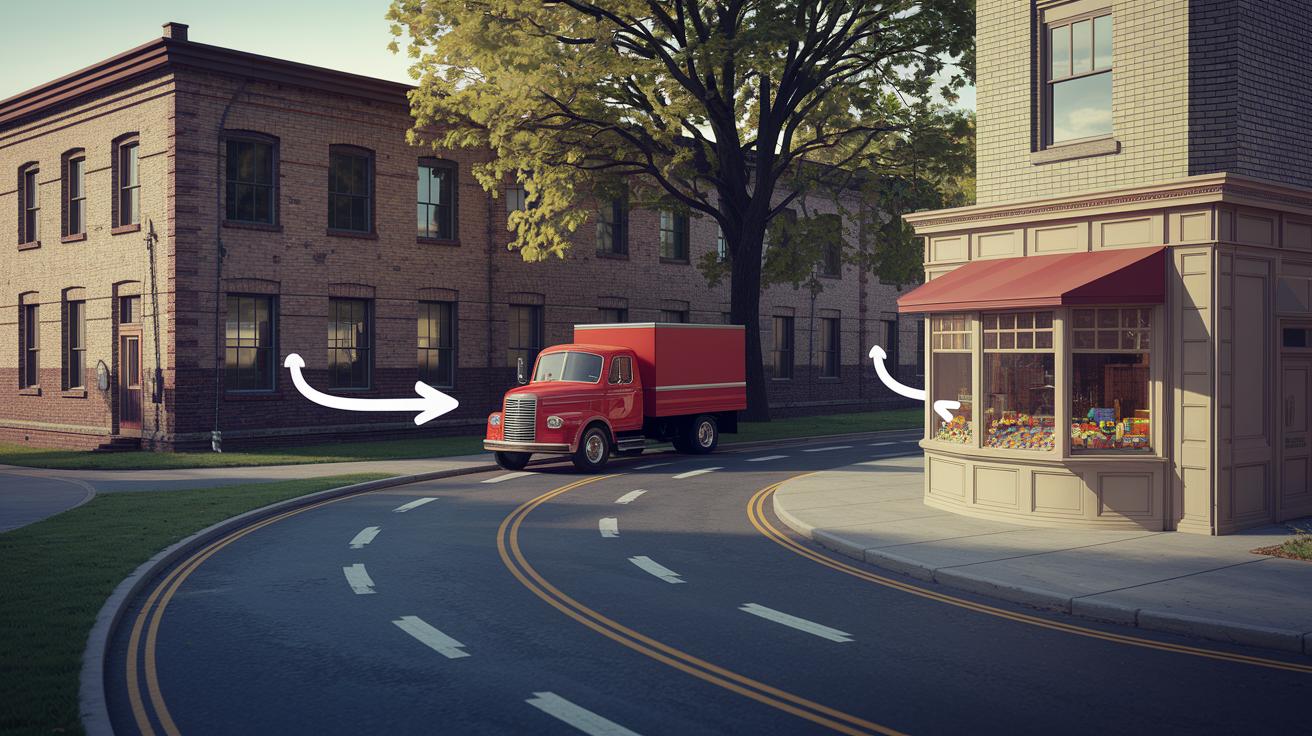
Distribution channels are networks that bring products from makers straight to you. They involve everyone from producers and wholesalers to retailers and logistics teams, all working together to deliver your purchase from the factory to your doorstep. Think of it like following a map where each step is guided by modern tools to keep everything on track.
The way these channels are set up affects how fast and far products can travel. In a zero-level channel, also known as a direct channel, the product goes straight to you, quickly and usually at a lower cost. But if more steps are added, like in one-, two-, or three-level channels, the product might reach a broader area while sometimes facing extra fees or a bit less control over how it’s presented.
These different models show how businesses can balance speed and reach. Whether it’s a seller’s own website or a worldwide supply network, each model demonstrates a practical strategy to meet customer needs.
| Channel Level | Description | Example |
|---|---|---|
| Zero-level | Selling directly to you helps lower costs and speeds up delivery. | Nike.com or Amazon Basics selling straight from the brand |
| One-level | A single middleman, usually a retailer, expands reach while giving up some control. | Samsung supplying phones to Best Buy |
| Two-level | Adding wholesalers with retailers helps cover more markets, though it adds extra costs. | Nestlé distributing its products via regional wholesalers |
| Three-level | Using agents along with wholesalers and retailers allows for global reach. | Japanese electronics working with local agents |
Examples of Direct Distribution Channels

Direct channels can help you keep costs down while getting your orders fulfilled quickly. They use setups that mix efficient processes with a personal touch, making the experience feel both smooth and familiar.
| Example | Channel Type | Distinct Advantage |
|---|---|---|
| Amazon Basics | Online Marketplace | Straight-from-brand pricing without extra markups. |
| Nike.com | Brand-Owned Online Store | Streamlined digital purchasing with a focused brand experience. |
| Warby Parker | Physical Showrooms | In-person service that offers tactile product engagement. |
These channels shine when it comes to keeping costs low and speeding up delivery, although they might not cover every corner of the map. In short, they’re ideal if you want quick, reliable service alongside a carefully managed brand experience.
Examples of Indirect Distribution Channels
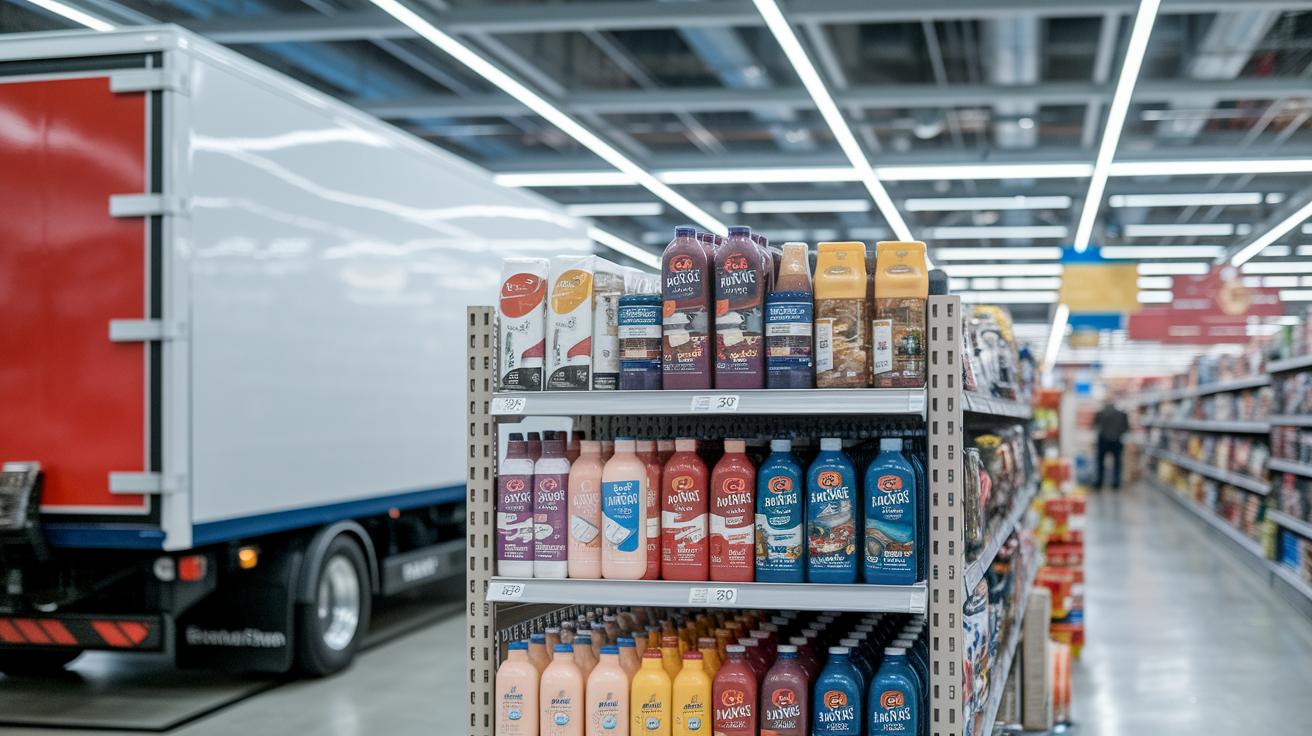
One-level channels help manufacturers get their products into consumers' hands fast by partnering with well-known retailers. For example, think of Samsung sending phones to Best Buy. While this approach speeds up the process, it might mean you lose a bit of control over how your products are displayed and priced.
Two-level channels add an extra step by bringing in another middleman. Picture Nestlé teaming up with regional wholesalers who then supply local grocery stores. This method helps reach more areas and even taps into smaller markets, though it usually comes with some extra costs.
Both methods have their strengths. One-level channels offer a quicker, more direct route, while two-level channels cover a broader territory, even if it means sharing a little more along the way.
E-Commerce Distribution Channels Examples

E-commerce uses online tools to get products from brands directly into customers’ hands quickly and efficiently. Brands can show off their items on websites and take orders right away. This cuts out extra steps from ordering to delivery, which many businesses appreciate because it means less waiting and fewer headaches than old-school shipping methods.
Marketplaces and SaaS platforms, like Shopify, are big parts of this digital process. Companies can build their own online stores complete with built-in payment systems, order handling, and ways to track inventory. And then there are trusted marketplaces like Amazon, which let multiple sellers reach a huge pool of customers all in one place.
Technology also fine-tunes digital sales. Real-time tracking makes every part of the order, from inventory levels to delivery updates, clear as day. This hands-on style means any issues get fixed fast, leading to smoother and more responsive service for everyone.
Omnichannel Distribution Channels Examples

Omnichannel systems mix online stores, mobile apps, and real shops to give you one smooth shopping experience. They link digital sites with physical outlets so you can shop your way, whether that's buying online, picking up in person, or even switching between the two with ease. For example, lots of shoppers now expect to finish an order online and grab it at a nearby store, enjoying both ease and a friendly face.
Apple is a great example of this. They blend their brick-and-mortar Apple Stores with an online shop that uses one central inventory. Imagine ordering from Apple’s website and choosing to pick it up at a store where you still get that personal care. This setup makes shopping simple, so whether you shop online or off, you're getting the best of both worlds.
Retailers like Walmart and Target also get it right. They use mobile apps that tie in with what’s in their stores, so everything ticks along perfectly. This way, customers see quick updates and enjoy faster service, and the whole shopping day feels smart, straightforward, and balanced.
Multi-Tier Distribution Channels Examples
Multi-tier distribution channels work by partnering with several intermediaries to help a brand reach a variety of markets. They use multiple steps to bring products closer to local consumers. This method lets companies use local know-how while broadening their reach, even if it means adding extra steps between the maker and the buyer.
Agent-Wholesaler-Retailer Model
Take the model used by some Japanese electronics companies, for example. They team up with local agents who connect with international wholesalers before products land in neighborhood stores. In this three-step setup, agents serve as the bridge between global production and local demand, allowing products to meet high standards and quickly adapt to local trends.
Franchise Distribution Example
Think about how McDonald’s manages its outlays. Local franchise owners run outlets that stick to the brand’s core rules yet feel unique to their regions. This approach mixes a solid, well-known brand with a local twist, letting entrepreneurs succeed with a system that’s already proven.
In truth, these multi-tier channels boost a company’s ability to grow across different regions while tailoring how they serve each market. Still, they can also increase costs and make things more complex, so finding a balance between reach and smooth operations is key.
Final Words
In the action, we explored how distribution channels examples unfold, from direct consumer sales to complex multi-tier networks. We looked at digital methods like e-commerce and omnichannel strategies that blend online and in-store experiences.
You now have a clear look at how each channel level works in real life. The insights shared should make managing and growing your investment feel more accessible and promising. Keep an eye on these strategies for decision-making that feels both smart and secure.
FAQ
Q: What is an example of a distribution channel?
A: The example of a distribution channel is a zero-level channel where a brand sells directly to consumers, like Nike.com offering products without middlemen.
Q: What are the common types of distribution channels?
A: The answer covers direct channels (zero-level), one-level channels (retailers), two-level channels (wholesalers and retailers), three-level channels (agents, wholesalers, and retailers), and omnichannel models that blend online and physical sales.
Q: What is the most common distribution channel?
A: The most common distribution channel is the one-level channel where manufacturers sell to retailers, allowing products to reach a broad audience through established stores.
Q: What is a channel of distribution diagram?
A: A channel of distribution diagram is a visual map that shows how products move from manufacturers to consumers through various intermediaries like wholesalers, retailers, or agents.
Q: What are some examples of distribution channels in business and food industries?
A: The examples include direct online sales, retailer partnerships such as Samsung and Best Buy, food channels using wholesalers supplying grocery stores, and omnichannel setups combining digital and physical outlets.