

Ever wonder if a few quick, smart moves in your portfolio could really beat the market? Active portfolio management is all about making fast, thoughtful decisions to boost your returns, much like a savvy shopper who snaps up the best sale items.
Skilled managers keep a close eye on trends and examine all the details, ready to adjust their investments at a moment's notice. They don’t wait for the market to catch up, they act quickly to grab those opportunities that more traditional strategies might miss.
In short, active portfolio management is a dynamic approach that aims for winning results, offering a lively alternative to the slower, more predictable methods.
Active Portfolio Management Explained: Definition and Objectives

Active portfolio management means skilled managers choose investments by watching market trends, checking a company’s financial health (that’s fundamental analysis), studying price patterns (technical analysis), and crunching big sets of numbers (quantitative analysis). In other words, they work hard to beat standard market results by spotting when stocks or bonds might be priced lower than they should be. Think of it like noticing a store sale and grabbing the deal before everyone else does.
On the other hand, passive portfolio management just copies the big market indexes like the S&P 500. This approach focuses on steady, long-term growth with fewer trades, which usually means lower fees. Instead of making frequent changes, it rides the overall upward trend of the market even when it gets a bit choppy.
At its core, active portfolio management is all about making smart, fast decisions to beat the usual market performance. Managers are constantly tweaking portfolios with new information to spread out investments across different sectors, industries, and regions. This helps balance risk, much like fine-tuning a machine for the best performance. By mixing several analysis methods, active management not only aims for better returns but also tries to limit losses during uncertain times. The main goal is simple: use quick, thoughtful moves to get results that stand out from the more relaxed passive method.
Core Strategies in Active Portfolio Management

Active portfolio management mixes a variety of smart moves to try and beat average market returns. Managers study a company’s financial health, watch price changes closely, and dive into lots of numbers to decide the best times to make moves. They often review their investments every few months, or even more often when the market gets rough, to keep the mix balanced.
Here are some common strategies:
- Fundamental analysis – checking a company’s earnings, balance sheets, and market status to judge its strength.
- Technical analysis – looking at price patterns and trade volumes to decide the best moments to jump in or out.
- Quantitative analysis – sifting through large sets of data to spot trends and get hints on future moves.
- Market timing – taking advantage of short-term market swings to buy when prices are low and sell when they’re high.
- Sector rotation – shifting money among different parts of the economy to catch the right moments.
- Factor-based investing – focusing on things like value, momentum, or volatility (how much a price jumps) to shape the mix.
- Tactical rebalancing – fine-tuning the asset mix regularly to stick to target allocations as market conditions change.
Mixing these strategies helps build a balanced approach that looks to boost returns while keeping risks in check. By putting together insights from fundamental and technical views and making smart tweaks along the way, active management aims to deliver extra performance over basic benchmarks. Each method plays a role, solid research provides the basis, while quick moves like market timing add that flexible edge when a good chance pops up.
Measuring Success: Performance Metrics and Benchmark Tracking

Performance attribution analysis is a key tool for active portfolio management. It tells you exactly where a fund’s extra returns come from. Fund managers break down performance into parts, such as what comes from active decisions and what results from simply following the market. This process gives investors a clear view of what’s really making the difference.
For example, one hybrid team-of-funds managed to produce 93 bps in extra return with a tracking error of 52 bps over 12 years in a balanced 60-40 portfolio, even while aiming for 100 bps of extra return. In simple terms, even small tweaks in returns and volatility can add up to big changes over time. It’s a bit like checking your car’s dashboard to see which indicator needs attention; every little metric helps you fine-tune your portfolio to perform its best.
| Metric | What It Means | Example Value |
|---|---|---|
| Excess Return | The extra return over a standard benchmark | 93 bps |
| Tracking Error | The amount of volatility in the excess returns | 52 bps |
| Active Risk | How much the portfolio’s mix strays from the benchmark | Varies |
Looking at these numbers helps investors make smart, practical decisions. A high extra return compared to a low tracking error indicates that the manager’s active choices are truly paying off. When tracking error is low, the portfolio stays close to its benchmark while still capturing potential gains. Keeping an eye on active risk tells you how far off the portfolio is from its target mix, a key factor when balancing risk and reward. In essence, these performance measures give you a clear snapshot of whether a manager’s strategy is working as planned.
Risk Controls and Dynamic Rebalancing in Active Management
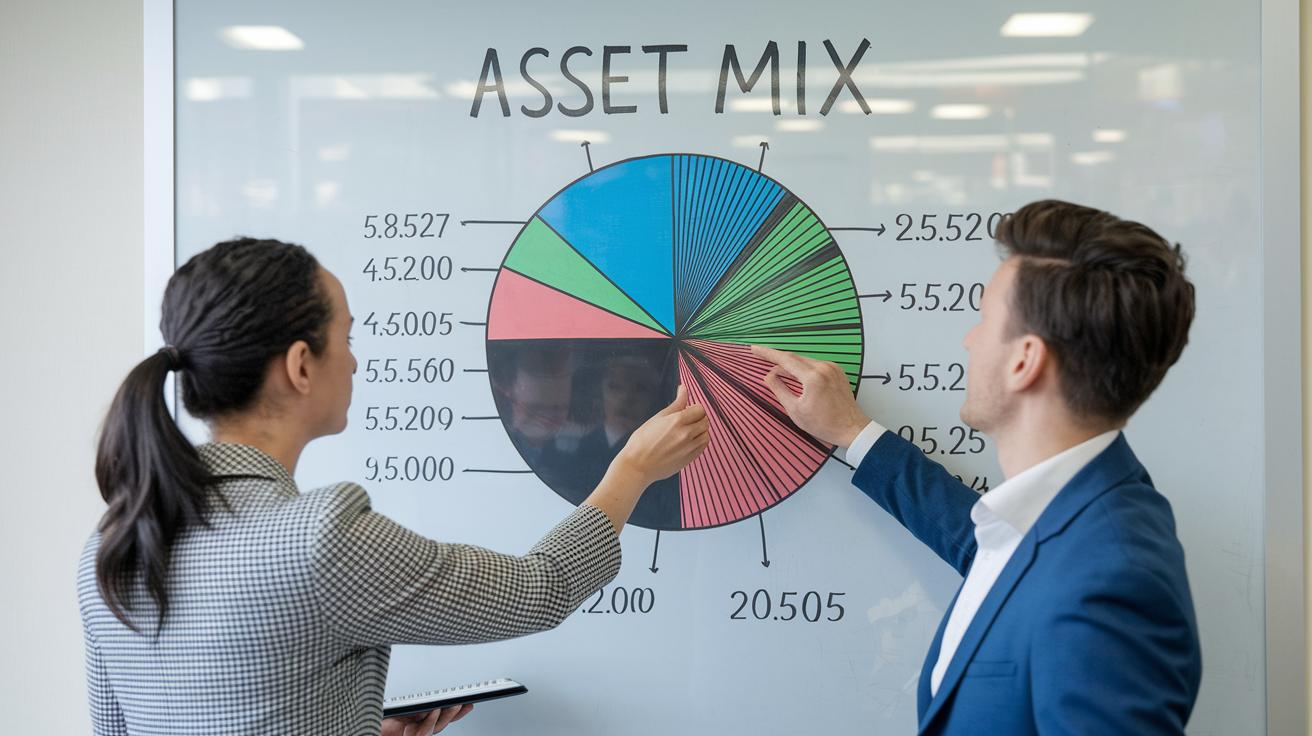
Rebalancing is a key step in active management that helps get your investment portfolio back in line with your original goals. In simple terms, managers buy and sell investments when the market moves to keep your portfolio balanced. This prevents your portfolio from drifting away from your risk plan and makes sure you stay on track, even when things get a bit volatile.
Managers often rebalance portfolios every few months or even more often during choppy market conditions. It’s a bit like making sure you’ve got the right mix of ingredients in your favorite recipe. And when market conditions suddenly change, these adjustments play a crucial role in keeping risk at bay.
Now, one thing to keep in mind is that frequent trading might lead to higher taxes on short-term gains. Active managers need to carefully weigh the benefits of reducing risk against the possibility of paying more taxes. This means planning ahead and keeping an eye on how taxes might affect your overall returns, especially when short-term market shifts look like a tempting chance for quick changes.
Digital tools are making it simpler to handle these tasks. Modern portfolio management software helps set models that target a desired level of market ups and downs and allows for real-time adjustments. There’s even free analysis software that helps monitor how risk looks after a rebalance. These handy tools not only ease the workload for managers but also improve the accuracy of timely adjustments that keep your portfolio aligned with its goals.
Active Versus Passive Approaches: Comparative Insights

Passive management is all about steady growth. Think of it like buying a ticket for a long ride where all the bumps even out over time. It follows market indexes closely, so there are fewer trades and lower fees. You're essentially letting the market do its thing.
On the other hand, active management is like being in the driver's seat. Managers study price trends, a company’s financial health, and a lot of data. Their goal is to spot when the market is off its mark to try to capture higher returns. Of course, moving quickly like this means you might end up paying more in trading fees.
Active strategies let managers adjust the mix when things change in the market. They keep a close eye on trends and use technical tools (like charts and indicators) to find chances to benefit or avoid risk by shifting assets between sectors. This requires constant research, quick decision-making, and sometimes leads to higher costs or mistakes. So, investors should look at fees, their own comfort with risk, and past performance before picking a method.
A mix of both strategies might be the best of both worlds. Hybrid portfolios use a base of passive funds to keep costs low while capturing long-term growth. Then, an active layer is added to fine-tune the mix and grab extra gains when the moment is right. This balanced approach helps lower the risks of active trading while still offering the chance for standout performance.
Best Practices for Building an Active Asset Allocation Model

Planning a successful active asset allocation model starts with a clear understanding of your client’s specific objectives, excess return targets, and risk tolerance. This step involves mapping out what each investor aims to achieve, along with determining acceptable levels of risk. A good plan should set the stage for how assets will be allocated, ensuring that selected investments match long-term financial goals. For example, when you design a model, you might start by asking, “What returns do I need, and how much volatility can I handle?” This thoughtful planning creates a solid foundation, ensuring that every decision is linked back to concrete client goals.
Execution of the model involves a strategic selection of investment opportunities through a team-of-funds hybrid approach that broadens the source of alpha. Active asset allocation models emphasize not only traditional selection but also innovative manager selection techniques, where professionals with credentials like CFA or CFP guide investment decisions. Incorporating AI-based research and systematic screening further enhances the process by flagging investment signals that are often hard to see with just a manual review. In practice, this means using precise data to decide on which sectors or securities to overweight or underweight in the portfolio.
Continuous improvement is critical in maintaining an adaptive allocation framework. Managers routinely reassess the asset mix to measure performance against evolving market conditions and benchmark standards. Regular reviews and tactical repositioning ensure that the portfolio remains aligned with client objectives and emerging trends. By monitoring performance and updating investment strategies based on real-time market feedback, the model stays dynamic and responsive, paving the way for sustained outperformance in a competitive market.
Final Words
In the action, we outlined how active portfolio management works, from defining its core process and contrasting it with passive strategies to explaining key performance metrics and dynamic rebalancing. We discussed the role of fundamental, technical, and quantitative analysis in shaping investments.
Our guide touched on essential practices and comparative insights, all to help you feel ready to tackle market shifts. With active portfolio management at its heart, remember that small, informed moves can lead to big improvements in your portfolio.
FAQ
Are there useful PDFs on active portfolio management, including works by Grinold?
PDFs on active portfolio management offer detailed insights into beating benchmarks. Resources like Grinold’s PDF break down quantitative methods and analysis techniques, making complex ideas more accessible for investors.
What is the difference between active and passive portfolio management?
Active portfolio management relies on buying and selling based on research to beat benchmarks, while passive management tracks an index with minimal trading and usually lower fees.
What do active portfolio management companies do?
Active portfolio management companies select undervalued assets using market trends and various analysis methods to adjust portfolios, aiming to outperform benchmarks and deliver enhanced risk-adjusted returns.
How are active portfolio management reviews helpful?
Active portfolio management reviews assess performance, fees, and risk controls. They help investors decide if the strategy and fund management match their goals and comfort with frequent trading.
What insights do active portfolio management books provide?
Books on active portfolio management explain strategies such as market timing, sector rotation, and risk controls. They offer practical guidance for both beginners and experienced investors aiming for better returns.
What is an example of active portfolio management in practice?
An example of active portfolio management is a manager using fundamental analysis to spot undervalued stocks and then adjusting holdings based on market trends, seeking improved return and risk performance.
What does active portfolio management mean?
Active portfolio management means a process where managers continuously adjust asset holdings based on research and market conditions to outperform a benchmark through strategic trading.
What are the four types of portfolio management?
The four types often include active, passive, discretionary, and systematic portfolio management. Each method offers different benefits related to trading frequency, fee structures, and the potential for market outperformance.
Is active portfolio management worth it?
Active portfolio management can be worth it if you prioritize potential higher returns through personalized strategies. However, consider that higher fees and variable performance might make it less appealing compared to passive investing.