

Ever wonder why your bills keep piling up no matter how hard you try to stay on top of them? Bills like loans, credit card dues, and taxes are more than just numbers on a page. They represent promises you make every day. Often, people only tackle these expenses when they start to feel the pinch in their budget.
In this post, I'll show you what these money commitments really mean and share simple ways to manage them better. With a few easy changes, you can gain more control and feel confident about your financial future.
Defining Financial Obligations: Meaning, Scope, and Examples

Financial obligations are the clear promises we make when dealing with money. They include both legal and money rules that people and businesses agree to follow. In simple terms, these duties mean you must pay back debts or meet money terms using cash, checks, or even bonds. For example, a small business owner might repay a loan in regular installments with interest, while someone else might work through credit card bills or personal loans.
These duties span personal, business, and government situations. Each agreement you enter, like a loan contract, lays out a clear payment plan and interest rate so you know exactly what to expect. You see this in everyday acts, such as paying taxes or clearing bills owed to suppliers.
Here's a practical tip: many new entrepreneurs don’t take the time to understand these money duties until unexpected challenges crop up later. This shows why it’s important to know all your financial obligations, from credit card balances to taxes and contracts, so you can handle your money matters smoothly.
Types of Financial Obligations: Short-Term, Long-Term, and Contingent Duties
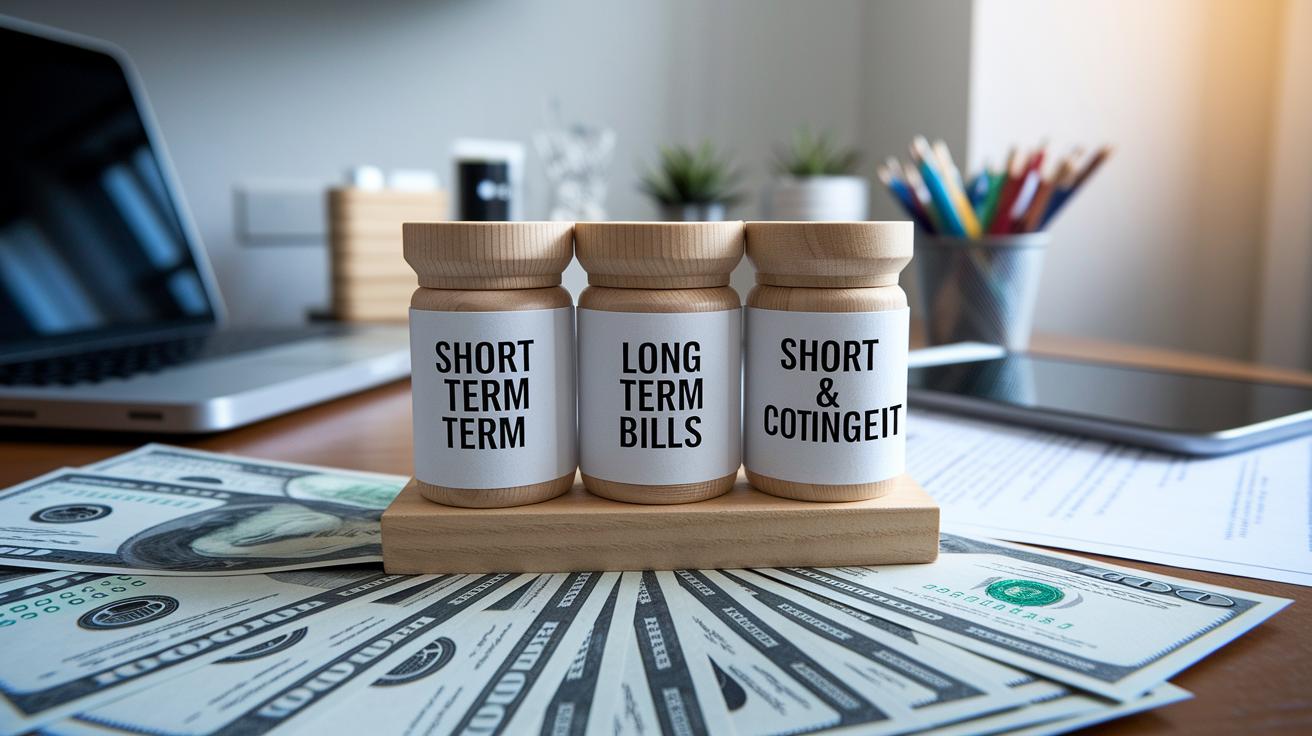
Think of your financial obligations as three pieces that help shape your budget, whether at home or in business. There are short-term duties you pay within a year, long-term arrangements that stretch beyond, and contingent tasks that might pop up later under certain conditions.
Short-term obligations are like the everyday bills that need your attention soon. They include items such as credit card balances, utility bills, or invoices from suppliers. Imagine checking off a to-do list at the grocery store, every monthly credit card bill is another item ticked off to keep your expenses on track.
Long-term obligations, on the other hand, last for more than a year. These include things like a home mortgage, student loans, or larger business loans. In these cases, you make regular payments over time, which helps build equity, much like steadily adding to a savings jar so you know you’re on a stable financial path.
Then there are contingent obligations. These are potential debts tied to future events and may not require immediate cash flow. For example, a legal claim or a contract guarantee might turn into an expense if specific conditions occur. Think of it as a “just in case” expense that helps you plan for any unexpected costs.
- Short-term obligations: Everyday bills like credit card balances, utility bills, and invoices due within a year.
- Long-term obligations: Debts such as mortgages, student loans, or business loans that span several years.
- Contingent obligations: Potential future expenses from legal matters or contractual guarantees that might require payment later.
Impact of Financial Obligations on Credit Score and Cash Flow

Paying your bills, loans, or any debts on time helps keep your credit score strong and your cash flow steady. When you handle payments promptly, you show real financial discipline. This not only saves you from extra charges or fines but also builds trust with lenders. Missing even one payment can hurt your credit score by adding fees that make your balance harder to clear.
Managing cash flow is just as important as keeping up with monthly payments. A steady stream of cash makes sure you can cover essential expenses like payroll and service costs without stress. When cash flow is tight, even suppliers might hesitate to offer favorable credit, which can make tough times even harder.
Simple steps such as setting up automatic payments, combining high-interest debts, and monitoring your credit limits can really keep setbacks at bay. Checking your finances regularly and tweaking your spending habits can help you maintain a healthy balance in both your credit score and cash flow.
Legal Framework for Financial Obligations and Enforcement Measures

When you fall behind on payments, creditors have several tools to help collect what’s owed. They might get a court judgment, garnish your wages, or even seize your assets. It’s a clear signal that financial promises are protected by law, so ignoring them can lead to tough legal outcomes.
Contracts also set clear rules for everyone involved. For example, a loan agreement might spell out interest rates and add late fees if you miss a payment. It even explains what happens if you default. These details aren’t just random, they’re meant to protect both the lender and you by making sure everyone understands their role.
There are also laws that set limits on extra charges and define when actions like fines or penalties can happen. This legal setup keeps things fair and predictable. In some criminal cases, legal financial obligations (fees like fines or court-ordered payments) might be added, too. Think of it as a rulebook that keeps the system open and consistent.
If you’re unsure about your contracts or what you owe, it might be a good idea to talk to a professional. Getting financial guidance (https://buycrpyto.com?p=208) can clear up any confusion about the law. Staying informed about how the courts enforce debts can help you steer clear of expensive disputes and protect your credit.
Financial obligations: Smart insights for clarity

Start by crafting a clear budget that lists all your income and expenses. This simple step shows you where every dollar goes. You might even try a handy tool (like the "how to make a financial plan" resource) to break down your monthly spending. It helps you set realistic limits and keeps overspending at bay.
Next, focus on paying off high-interest debts first. Picture these debts as a heavy backpack that slows you down; clearing them early frees up cash and cuts future costs. A set repayment schedule does wonders, mark your repayment dates like you would your grocery trips so you never miss a beat.
It’s also smart to keep an eye on your expenses. Many people now use apps that track spending in real time, making it easy to spot and cut unnecessary costs. Businesses benefit too by forecasting cash flow and checking key ratios, which helps ensure you’re not stretching your finances too thin.
Consider using an amortization schedule to see how each payment reduces your loan. This visual guide makes it clear how your debt diminishes over time. And if juggling many debts feels overwhelming, debt consolidation can roll them into one simple payment. Tools such as a "debt repayment calculator" let you explore different scenarios and plan ahead with ease.
| Strategy | Purpose | Tool/Example |
|---|---|---|
| Budgeting | Manage income and expenses | “how to make a financial plan” |
| Consolidation | Simplify multiple debts | Debt consolidation services |