

Ever wonder why your flight ticket seems to cost a lot more just before departure or why hotels charge more on busy weekends? It’s all about demand-based pricing, which means companies change their prices based on how many people want their service. Think of it like adjusting a thermostat: when demand is high, prices go up; when it drops, they go down.
Let’s explore some real-life examples. Airlines, ride-sharing services, and even theme parks use this strategy to earn more, even with small price changes. Matching prices to what the market feels like isn’t just smart, it can really boost earnings.
Real-World Demand Based Pricing Examples Across Industries

Businesses often adjust prices based on how much people want their products. They use a method called demand-based pricing, which is like watching the mood of a room, when everyone's excited, prices go up; when things cool off, prices drop. It’s all about matching prices to what’s happening right now in the market.
Airlines, for example, might boost fares by about 30% as the departure date gets closer. This way, last-minute travelers who need a flight are ready to pay a bit extra for the convenience. Hotels do something similar during big holiday weekends, raising room rates by up to 50% because vacationers really want a room when travel peaks.
Ride-sharing apps also jump in on demand-based pricing. When there aren’t enough drivers for all the ride requests, fares can increase anywhere from 1.2 times to 3 times the usual rate. This surge helps encourage more drivers to head out on the road during busy times.
At theme parks, like Disney World, ticket prices might climb between 15% and 20% during seasons like Christmas and Easter when visitor numbers soar. And if you’re looking at beach tours in July, prices can even double since everyone wants to spend their summer enjoying the sun and sea.
These examples show how companies can smartly tweak prices to capture the right balance of supply and demand. Ever wondered how a little price shift can invite a big change in customer behavior? For more detailed insights, check out the sections below.
Airline Demand Based Pricing: Surge Ticket Examples
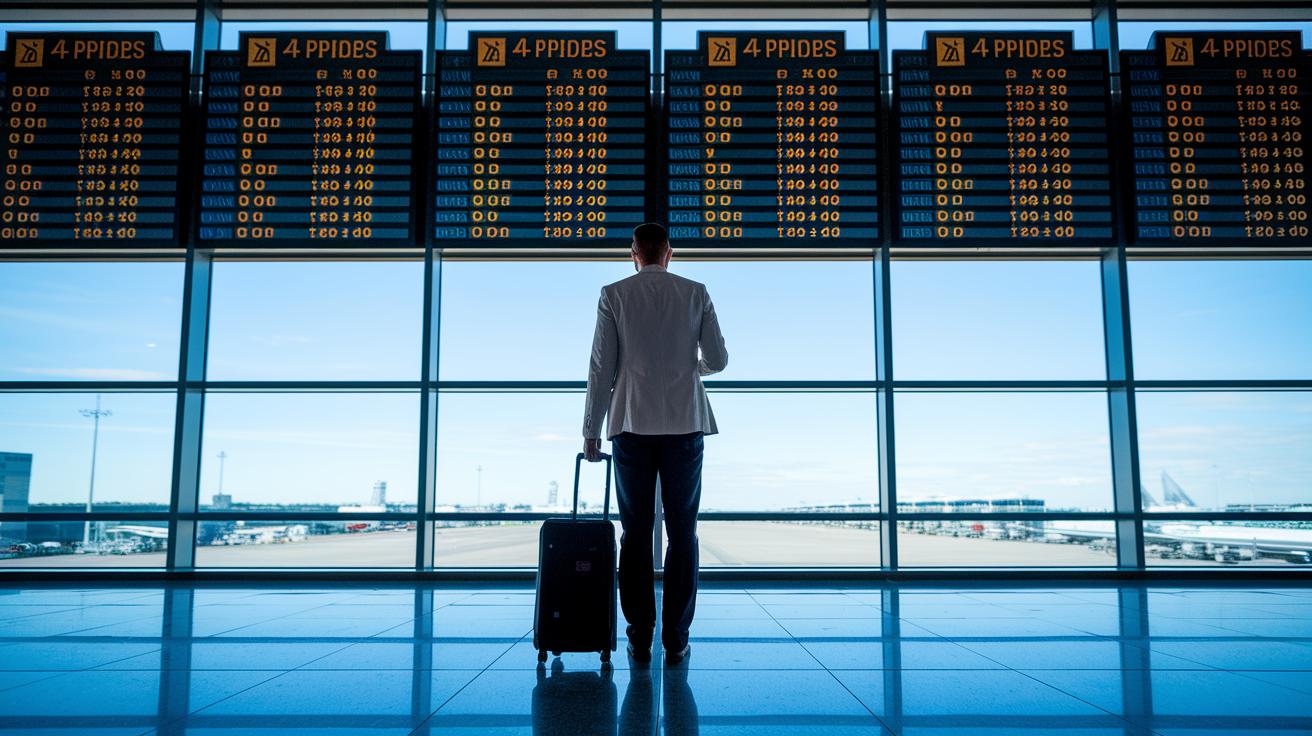
Airlines change ticket prices based on how many people want to fly at any given moment. They raise fares when many travelers are booking and lower them when fewer people are flying. It’s a bit like adjusting the volume on your favorite song: matching the rise and fall in demand.
As the flight date gets closer, the focus shifts to getting the best price from those who need to travel last minute, even if it means paying a bit extra. For example, a ticket bought just a week before departure might cost about 30% more than one booked well in advance. Airlines keep a close eye on booking speeds and market trends to decide the perfect moment to tweak the price.
- Tickets can jump by around 30% in the final week because of last-minute rushes.
- Holiday seasons often see fares go up about 50%, reflecting strong seasonal interest.
- Last-minute bookings come with a premium since travelers are willing to pay more for immediate travel.
- Different booking classes mean the same seat might be priced differently to suit varying needs.
Ride-Sharing Demand Based Pricing Surge Models

Ride-sharing apps use surge pricing when more people ask for a ride than there are drivers available. These apps rely on smart pricing tools that check real-time demand, traffic, local events, and past ride information to instantly adjust fares.
The fare changes can range from a slight bump of about 1.2 times to a surge of up to 3 times. For example, on a busy LA morning, fares might double to help balance the number of riders with the drivers on the road. On a calm weekend night, the increase is usually just a small jump. It’s a bit like when a thermostat heats up a room, a quick reaction to changing conditions.
Early ride-sharing models used fixed numbers, but today’s systems keep an eye on recent trends for better precision. They continuously tweak the fare multipliers, reacting to short-term shifts in the market. This change has made ride-sharing fares much more responsive to what’s happening right now.
Seasonal Demand Based Pricing in Hospitality
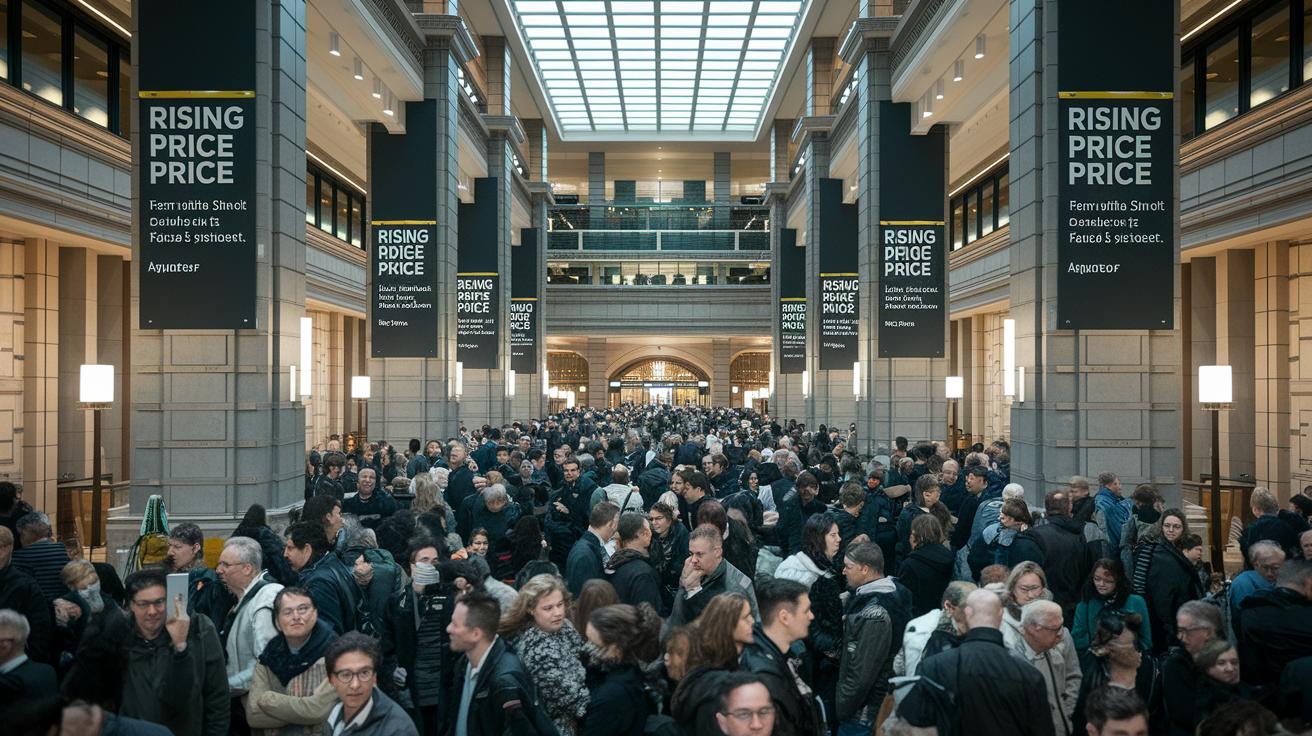
Hotels and attractions often charge more when lots of people are booking rooms or buying tickets. Think of it like a limited-edition toy, when everyone wants one, the price goes up. During busy times like holidays or summer breaks, prices rise to capture extra revenue and keep up with the crowd.
For example:
- In Orlando, hotels can set rates as high as $350 per night in July, compared to about $150 in January.
- At Disney World, ticket prices jump by 15–20% during holidays like Christmas and Easter because of the higher number of visitors.
- Ski resorts raise lift ticket prices by roughly 30% during winter breaks when snow sports fans flock to the slopes.
- Beach rentals often double their rates in the summer when everyone is eager for a sunny getaway.
This flexible pricing, sometimes called market segmentation (setting prices based on market demands), helps businesses meet different customer needs while keeping profits steady. During off-peak times, lower prices draw in budget-conscious travelers, and when demand peaks, higher prices help balance occupancy and revenue. In truth, this approach keeps businesses steady all year, even when visitor numbers change with the calendar.
Retail Demand Based Pricing: E-Commerce Strategies

Online stores need to keep their prices fresh and exciting. They watch site traffic and competitor prices in real time to adjust their offers. It’s a bit like checking the weather before heading out, you want to be prepared. You might see flash sales with prices dropping about 30% for a short burst, holiday deals that update prices every hour, or even systems that tweak prices every 15 minutes to meet the latest demand and stock levels.
There are three simple tricks behind this smart pricing approach. First, flash sales not only spark quick purchases but also help clear extra inventory, urging shoppers to act fast. Next, hourly holiday deals let retailers ride the wave of seasonal excitement by changing prices when shoppers are most active. And finally, automated pricing tools constantly scan competitor prices and sales data, so each product stays appealing without cutting into profits.
Technology and Tools for Demand Based Pricing Implementation

Companies need solid, real-time data to set the perfect price. Smart software digs into past sales records, watches online habits, and even tracks what competitors charge to help you decide on a fair price. It adjusts prices on the fly using current data, so you’re never caught off guard by a sudden market change. This steady monitoring lets businesses confidently use demand-based pricing to capture extra value, even when demand spikes unexpectedly.
AI-Powered Dynamic Pricing Engines
Modern pricing tools use smart algorithms that learn from a mix of data. They predict when you might need to raise or lower prices, making adjustments automatically. Think of it like having a weather forecast for your sales, a gentle heads-up about when busy days are on the way. This constant learning helps companies stay ahead of market shifts.
Real-Time Data Integration Platforms
These platforms use APIs, tools that let different systems communicate, to collect live market signals. They pull in data on current sales, website traffic, and even competitors' moves to update prices immediately. With this setup, businesses can react quickly to any market change, ensuring prices match current demand without delay.
| Tool Name | Function | Industry Use |
|---|---|---|
| DynamicYield | Real-time analytics with smart pricing updates | Retail, E-commerce |
| PROS | Automates rate changes using demand forecasts | Airlines, Hotels |
| Revionics | Adjusts pricing by analyzing competitor and sales data | Hospitality, Consumer Goods |
Benefits and Challenges of Demand Based Pricing Examples

Demand-based pricing can help boost earnings by as much as 25% when you change prices during busy times. It’s like capturing extra money that customers are willing to pay. When a company keeps an eye on market trends and stays adaptable, it can match its prices to the current demand. But if prices change too fast without solid data, customers might feel confused.
Advantages
One big plus is making more profit. When demand rises, companies can quickly adjust prices and grab that extra revenue. It’s kind of like taking advantage of a busy store day when customers are ready to spend a bit more.
Another benefit is the flexibility it offers. With good data and smart forecasting, businesses can change prices to fit the market, keeping them competitive and attractive. And when companies clearly explain why prices change, it builds trust and keeps customers feeling understood.
Challenges
One tough part is handling all the data needed to predict demand accurately. Without clear forecasts, price changes might not line up with customer expectations, leading to confusion.
Also, too many price changes, especially without transparent communication, can shake customer trust. That’s why companies need to use advanced tools and keep open lines of communication to explain why prices move, so customers always feel in the loop.
Final Words
In the action, we explored how industries use demand based pricing examples to adjust rates based on consumer demand. Airlines, ride-sharing, hospitality, retail, and tech tools each show unique ways of adapting prices throughout the day or season. This article laid out real-world pricing shifts, from surge factors to seasonal trends, and highlighted how careful data use can boost revenue while keeping clients informed. The insights shared remind us that even small pricing adjustments can lead to big wins. Keep experimenting with pricing tactics and stay positive about future opportunities.
FAQ
What are examples of demand-based pricing?
The demand-based pricing examples show prices shifting with consumer interest. Airlines boost fares near departure, hotels increase rates during holidays, ride-sharing apps apply surge multipliers, and theme parks charge more at peak periods.
What is a demand-based pricing strategy?
The demand-based pricing strategy adjusts prices in real time to match consumer demand. It helps businesses capture extra revenue by charging higher rates when demand peaks and lowering prices when interest wanes.
What are the disadvantages of demand-based pricing?
The demand-based pricing disadvantages include confusing customers with fluctuating rates and the requirement for frequent data analysis. Companies must clearly explain these changes to prevent customer frustration and maintain trust.
What is the demand-based pricing formula?
The demand-based pricing formula uses factors like consumer behavior, competitor pricing, and historical sales data. This calculation helps businesses set dynamic rates that optimize revenue during periods of high or low demand.
What are cost-based pricing examples?
The cost-based pricing examples calculate prices by adding a markup to production costs. Unlike demand pricing, this method focuses on recovering costs rather than adjusting prices based on fluctuating consumer interest.
What are demand-based pricing types and competition-oriented pricing?
The demand-based pricing types include dynamic and surge pricing, which adjust based on consumer demand. Competition-oriented pricing, meanwhile, sets prices relative to competitor rates, aiming to stay attractive in the market.
What is an example of a price demand?
The price demand example can be seen when an airline increases ticket prices as the flight date nears. This surge reflects higher consumer urgency to book quickly, translating into greater revenue per seat.
What is the difference between demand-based pricing and value-based pricing?
The demand-based pricing strategy reacts to market demand fluctuations, while value-based pricing sets rates according to the product’s perceived worth. The latter centers on customer valuation rather than strictly on market demand metrics.