

Ever wondered if you could simplify investing and still see your money grow? The two-fund portfolio might be just what you need.
This straightforward plan mixes a broad stock index fund with a large bond index fund. It helps ease market bumps while keeping your costs low.
In this post, we'll share how combining these two funds can put you on a clear path to building long-term wealth, making investing less stressful and more welcoming.
Understanding Two-Fund Portfolio Essentials
Imagine the two-fund portfolio as a smart, easy way to invest your money. You simply mix a broad stock index fund (VTSAX) with a large bond market index fund (VBTLX). This idea, inspired by the Bogleheads plan updated on July 28, 2024, uses a relaxed, low-cost strategy to help your wealth grow steadily.
At its heart, the method has two main parts. First, VTSAX brings you exposure to a wide variety of U.S. companies, helping your money grow while keeping fees super low. Then, VBTLX adds balance by softening the ups and downs of the stock market, acting like a cushion when prices swing. Plus, setting aside cash equal to a year’s living expenses gives you a backup plan for unexpected costs without messing up your long-term strategy.
The aim here is to keep costs as low as possible. This means cutting unnecessary fees and transaction costs. It also uses broad diversification to spread risk and let your earnings build over time (think of it like stacking building blocks to form a solid base). Many top investors have found that sticking to simple, low-cost plans can handle market turbulence best. This clear, focused strategy makes investing feel less daunting while giving you a reliable way to build wealth over time.
Asset Allocation Basics for Two-Fund Portfolio
VTSAX, your equity piece, fuels growth by tracking real U.S. companies and laying a strong foundation in American business. A touch of international exposure acts like that rare spice in your favorite dish, helping to lower risk if one market stumbles.
VBTLX, the bond portion, works like a cushion against market bumps. When things get choppy, leaning a bit more into bonds can steady your ride, kind of like lowering the volume when a song gets too loud.
Keeping cash equal to a year’s living expenses isn’t just an emergency safety net. It also gives you the flexibility to adjust your mix when market conditions shift. In smooth times, equities can take center stage, while uncertain moments might call for a pivot to safer assets.
A few tweaks, like boosting your bond share or adding a bit more international flavor when markets stress, can fine-tune your strategy to match the current vibe.
Selecting Equity and Bond Funds in a Two-Fund Portfolio
Picking the right funds can make investing simple and smart. When you search for an equity fund, try to choose one that covers the whole U.S. stock market. This means it holds many types of stocks, helping your portfolio grow steadily. It’s best if the fee is under 0.05% and you can easily trade it without extra costs. For example, VTSAX gives you broad market exposure. If you’re looking for alternatives, FSKAX (with a 0.015% fee) or SWTSX (at 0.03%) can work well, too.
Now, when it comes to bonds, the goal is stability. Pick a bond fund that follows the Bloomberg Barclays U.S. Aggregate Bond Index. This index tracks nearly 8,430 bonds, which can help smooth out market ups and downs. Look for one with fees of 0.05% or less. VBTLX is a popular choice because it helps balance out the swings in your equity investments, while FXNAX, with a 0.025% fee (about $2.50 for every $10,000 invested), offers a solid alternative.
Before you finish building your portfolio, check these key points:
- The equity fund should cover the full U.S. market.
- The bond fund must track a well-known index.
- Expense ratios need to be very low.
- Consider options from other big names like Fidelity or Schwab if you’re not set on Vanguard.
For a simple review of portfolio basics, you might want to read “what is an investment portfolio” at https://buycrpyto.com?p=135.
Historical Performance and Cost Efficiency in Two-Fund Portfolio

Imagine turning $10,000 into a steadily growing sum by investing it on November 29, 2010, and holding onto it until July 26, 2024. Dividends were reinvested, and there were no transaction fees, which means your money compounded smoothly over time. In simple terms, mixing a total stock market index fund with a broad bond market index fund not only boosts your growth but also softens the blow during market dips compared to investing in only stocks.
Here are the key performance highlights:
- Your money grows bit by bit over time.
- A risk-adjusted return helps smooth out the market’s ups and downs.
- Losses during market downturns are kept in check, which can really help build wealth over the long run.
Now, let’s talk fees. Low costs are vital because they ensure that more of your money stays invested. For example, VTSAX charges just 0.04% and VBTLX 0.05%. Meanwhile, other choices like Fidelity’s FSKAX come in at 0.015%, Schwab’s SWTSX sits at 0.03%, and the bond option FXNAX has a fee of 0.025%. These low fees mean more money works for you over time.
Keeping fees low is key to a successful two-fund portfolio. When you reduce costs, you let your money grow more efficiently. For a deeper dive into these backtest details and fee comparisons, check out this quantitative investment analysis: https://nftcellar.net?p=1035.
Rebalancing Techniques and Risk Management in Two-Fund Portfolio
Rebalancing is a smart way to lock in profits, adjust your risk, and smooth out the ups and downs you see in the market. It’s like checking your bank account occasionally, and if one side is off by about 5% from where you planned, it’s time to make a change. For example, if you peek at your portfolio once a year and notice one asset is 6% above the target, that’s a clear sign to rebalance.
Another great tip is to set up regular contributions, like a steady monthly investment, and plan systematic withdrawals when needed. This steady routine can really help you stick to your financial plan. Think of it as paying your monthly bills without missing a beat.
Also, rebalancing in tax-friendly accounts is really important. By doing this, you can lower the impact of capital gains taxes over time. Over the long run, this simple step helps smooth out the bumps of market shifts, making strategies like dollar-cost averaging work even better.
- Stick to an annual check or rebalance if you drift ±5% from your target
- Make fixed contributions and plan for systematic withdrawals
- Prioritize rebalancing in tax-advantaged accounts
These practical techniques keep you on track with your asset mix and can boost your returns by making timely, thoughtful adjustments.
Two-fund portfolio: Smart, Simple Investing
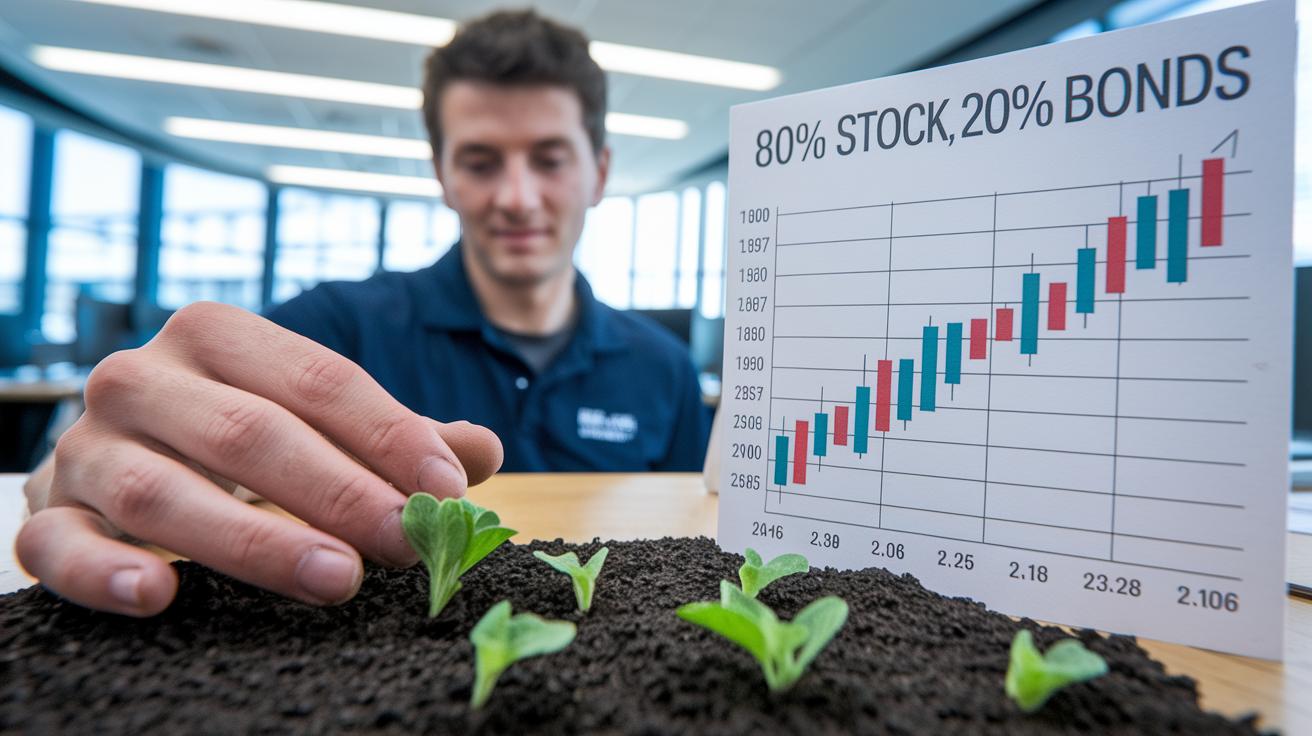
When it comes to investing, matching your portfolio to where you are in life can make all the difference. The idea is simple: change how you mix stocks and bonds based on how much risk you can handle and how long you plan to invest. In the early part of your career, think of your investments like seeds you're planting for future growth. At this stage, an 80% stock and 20% bonds mix is a practical choice, it gives you the chance for big growth while a little bit of bonds helps soften any small hiccups along the way. Imagine a young professional who puts most of their money in stocks to take advantage of long-term growth, while a smidge of bonds helps add a little cushion.
As you move into your mid-career years, you might want to slow things down a bit. A mix of 60% stocks and 40% bonds can guard the gains you've already made while still letting your money grow steadily. This kind of balance feels more secure if you’re carrying extra responsibilities and want a more stable ride through market ups and downs.
When retirement is on the horizon, lowering your risk becomes key. A portfolio made up of 40% stocks and 60% bonds, plus a cash pile equal to about one year of living expenses, helps protect your savings during those nerve-wracking market shifts. This setup adjusts as your needs change, keeping your future financial plans on track.
| Life Stage | Equity | Bonds | Extra |
|---|---|---|---|
| Early-career | 80% | 20% | , |
| Mid-career | 60% | 40% | , |
| Pre-retirement | 40% | 60% | + one year’s cash reserve |
Alternatives and Customizations in Two-Fund Portfolio Strategy
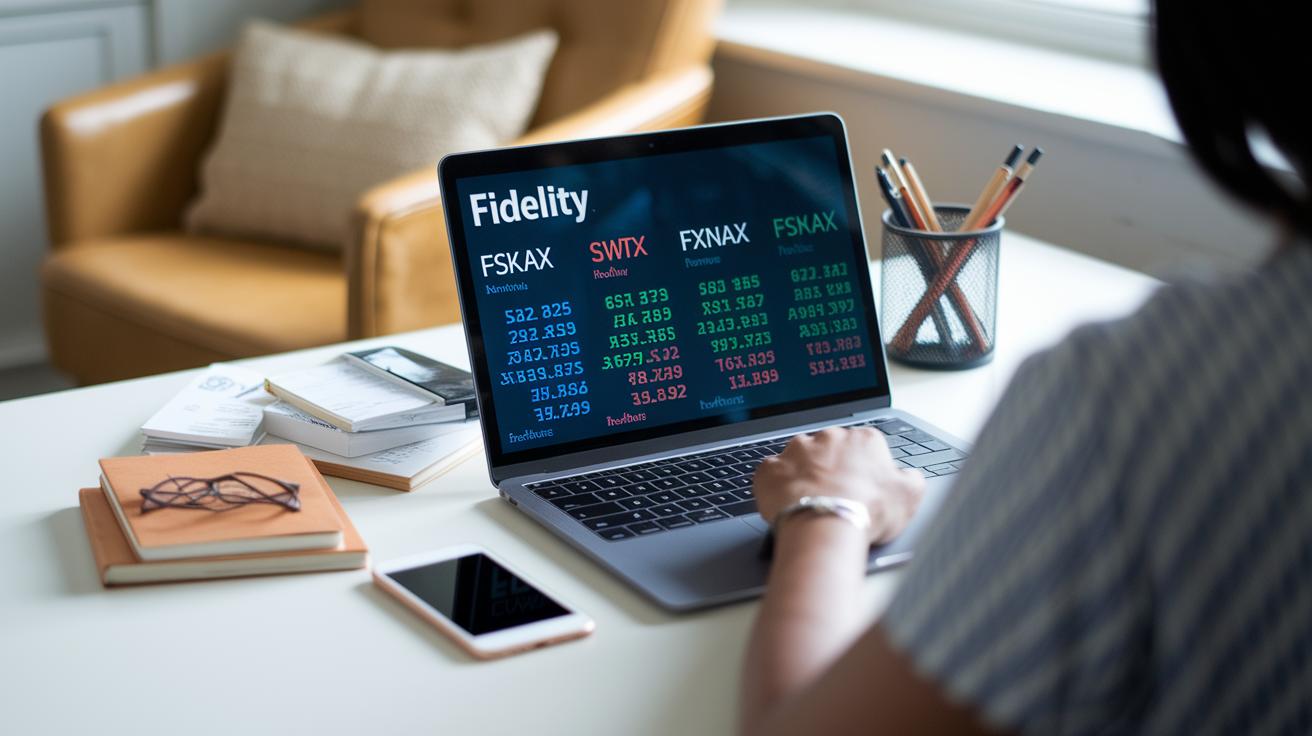
If you’re not set up with a Vanguard account, don’t worry, the main plan stays the same. Instead, you can choose funds like Fidelity FSKAX or Schwab SWTSX to capture a wide slice of the U.S. stock market, and then use Fidelity FXNAX to tap into the bond market. These funds work just like the typical two-fund approach you’d expect.
Optional Enhancements for Greater Diversification
If you’re looking to add a little extra flavor to your portfolio without overhauling your core plan, here are a couple of ideas:
- Try adding a small-cap value fund. It’s like discovering a secret spice that unexpectedly enriches the overall mix.
- You can also explore international ETFs to stretch your reach beyond U.S. companies, giving you a taste of global markets.
These small adjustments let you customize your investments while keeping your strategy straightforward and easy to manage.
Implementation Steps and Tools for Two-Fund Portfolio

Begin by setting clear money goals and deciding on your investing timeline. Knowing when you'll need the cash and what you hope to achieve makes it easier to choose a mix of stocks (equities) and bonds that fits your needs.
Next, pick a ratio of stocks to bonds that feels comfortable based on your risk level and how long you plan to invest. This simple decision is at the heart of your plan, helping your portfolio grow while softening the bumps along the way.
Then, open a brokerage or retirement account and set up automatic contributions. By automating your investments, you stay on track and turn market ups and downs into chances for growth.
- Set clear money goals and a timeline.
- Choose a stock/bond ratio that suits your risk comfort.
- Open your investment account and set up automatic contributions.
- Plan to rebalance your portfolio regularly (like once a year or when your mix shifts by a certain percentage) and keep a cash reserve handy.
- Take advantage of tools like calculators, slide presentations, and live webinar Q&A sessions to fine-tune your approach.
Finally, consider using an investment portfolio tracker to keep an eye on your mix and real-time monitoring tools for performance updates. These handy resources help you stick to your plan and see your progress clearly, making your two-fund portfolio both smart and simple.
Final Words
In the action, this article broke down how a two-fund portfolio can simplify your investing strategy. It explained the basics of combining a broad equity fund with a bond fund, highlighted rebalancing tactics, and even suggested adjustments for different life stages. We covered fund selection, performance insights, and practical implementation steps.
These clear pointers make it easier to manage your finances and build a secure, efficient plan. Stay confident and keep progressing toward smarter investment choices.
FAQ
Q: What insights do Reddit users share about the two-fund portfolio?
A: Reddit discussions indicate that a two-fund portfolio is praised for its simplicity and long-term, low-cost investing benefits. Users value its ease of management and steady performance over time.
Q: How does a two-fund portfolio perform?
A: A two-fund portfolio typically delivers steady growth by combining a broad stock market index with a bond fund, offering smooth volatility and cost efficiency that aids long-term compounding.
Q: What do Bogleheads advise regarding the two-fund portfolio?
A: Bogleheads recommend the two-fund portfolio for its simplicity and low expenses, often using funds like VTSAX for stocks and VBTLX for bonds to create broad market exposure and stability.
Q: How does the Vanguard two-fund portfolio work?
A: The Vanguard two-fund portfolio pairs VTSAX and VBTLX, blending wide U.S. stock and bond market exposure for an effective, low-cost method to achieve diversified, long-term growth.
Q: How do 2-fund and 3-fund portfolios differ?
A: The 2-fund portfolio focuses on U.S. stocks and bonds for simplicity, while the 3-fund portfolio adds international stocks, offering wider diversification at the expense of a slightly more complex setup.
Q: What are the implications of a two-fund portfolio with no bonds?
A: A two-fund portfolio without bonds relies solely on equities, which may boost growth potential but also increases volatility and risk during market downturns.
Q: Where can I find a PDF on the two-fund portfolio?
A: Several online resources offer PDF guides that explain the two-fund portfolio strategy, including detailed steps on asset allocation, fund selection, and performance tracking.
Q: What is considered the best Vanguard two-fund portfolio?
A: The best Vanguard two-fund portfolio usually includes VTSAX for total stock market exposure and VBTLX for bonds, providing broad diversification, low fees, and a simple structure for long-term investing.
Q: What defines the Warren Buffett 2 fund portfolio?
A: Buffett’s 2 fund portfolio concept revolves around investing in broadly diversified, low-cost index funds, reflecting his counsel to rely on simple, reliable products for lasting financial growth.
Q: What do the 7-3-2 and 70/30 rules mean for portfolio allocation?
A: The 70/30 rule implies a mix of 70% stocks and 30% bonds to balance risk and return, while the 7-3-2 rule may include an additional cash reserve, both serving as guides to maintain stability and flexibility.
Q: What would have been the impact of investing $1000 in the S&P 500 ten years ago?
A: Investing $1000 in the S&P 500 a decade ago would have taken advantage of compound growth and market returns, potentially resulting in a significantly higher accumulated amount today.
Q: Which books offer guidance on two- and three-fund portfolio strategies?
A: Books like The Bogleheads’ Guide to Investing, Little Book of Common Sense Investing, and Common Sense on Mutual Funds provide clear, accessible advice on building simple, low-cost, diversified investment portfolios.