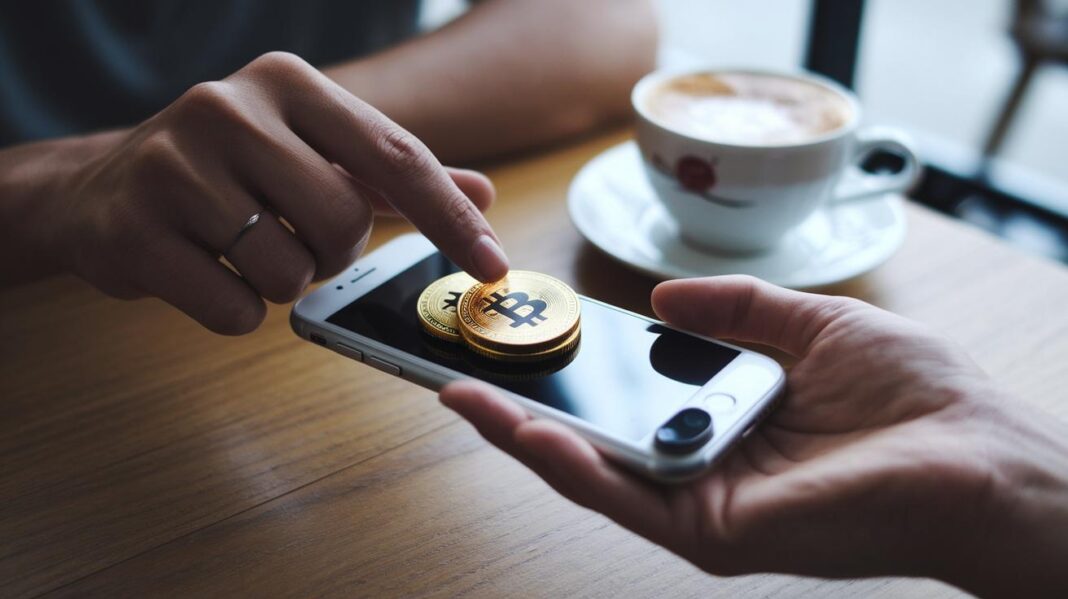

Have you noticed your shopping habits change lately? A new survey tells us that the way we buy things is moving faster than ever. Social media now shapes the choices of almost 90% of U.S. adults, and more people are choosing to shop on their phones. Even our old ways of shopping are evolving, with many of us looking for ways to save money.
In this post, we’ll break down these trends in a simple way. Think of it like chatting with a friend about why your favorite products or everyday deals might be changing. Ever wondered how a small shift in buying can stretch your dollars further? Let’s explore what these trends mean and how they could change the way you shop.
Current and Emerging Consumer Trends

A survey of more than 700 people shows that our shopping habits are changing fast. It seems like digital tools and online platforms are reshaping the way we spend money and get help from customer service.
The study also tells us that social commerce is now a major part of how products are discovered and bought. With 87% of U.S. adults using social media, platforms like TikTok and BeReal are becoming top sources for ideas and recommendations. If you’re curious to learn more, check out our market analysis for deeper insights.
Mobile shopping remains the favorite way to buy things online, offering quick, on-the-go options. Economic challenges also make a mark, with 40% of shoppers choosing store-brand items over premium ones to save money. Imagine glancing at your shopping app during your morning commute, finding a balance between convenience and cost savings really captures what’s happening today.
Demographic Shifts and Purchase Patterns in Consumer Trends
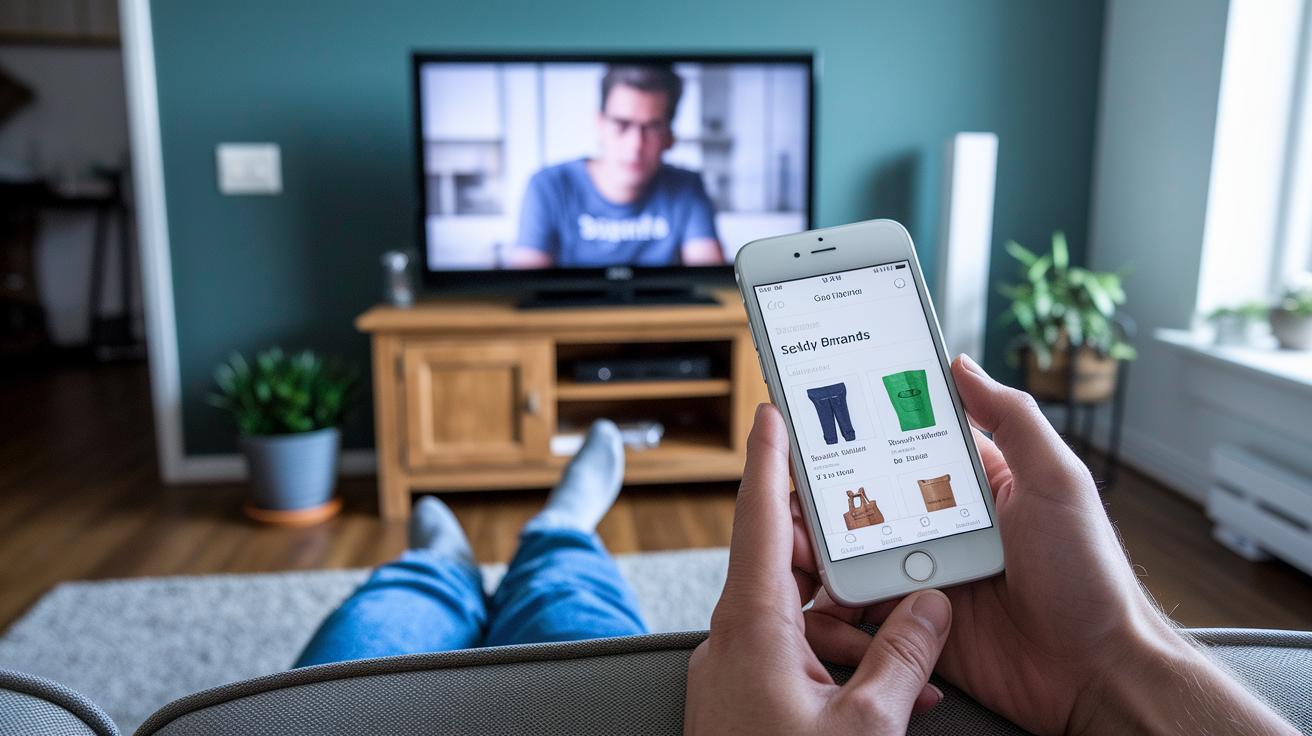
Consumer habits are shifting fast as everyone, from Boomers to Gen Z, finds new ways to discover and buy products. Uncertain times and changing media habits mean we're all adapting, and brands need to adjust on the fly.
Here's what we're seeing:
- 47% of people are tweaking their spending to brace for a possible recession.
- 62% of Boomers still turn to cable TV to find new products.
- Only 19% of Gen X make purchases directly in apps.
- 47% of Millennials prefer brands that are eco-friendly.
- 37% of Gen Z are influenced by social media personalities, with 43% opting for shopping in apps.
- Younger shoppers are showing less brand loyalty and are leaning more toward "buy now, pay later" options.
Brands have to rethink their approach to meet each generation's needs. Boomers do well with traditional media, while Gen X enjoys a mix of in-store and online shopping. Millennials expect green options and straightforward honesty about sustainability. And Gen Z is all about quick, app-based buys fueled by social media buzz. With flexible payment plans on the rise, affordability and ease are crucial. By understanding these diverse behaviors, companies can connect better with customers, build trust, and stay competitive in a fast-changing market.
Technology, Digital Commerce, and Consumer Trends

Our search habits are changing fast. Traditional search engines are now teaming up with social searches and smart, AI-powered suggestions. About 33% of people use AI tools. But trust isn’t fully there yet, around 17% really don’t trust it, 16% are a bit unsure, and 35% feel neutral. Because of these shifts, finding products online is becoming quicker and more precise.
Social ads now influence over one in three Gen Z and millennial buyers, showing how much digital platforms shape our shopping. Influencer marketing, with real and relatable endorsements, is forecast to reach about $56.28 billion by 2029. And in the U.S., social commerce could claim 6.6% of ecommerce in 2024, moving toward an $8.5 trillion market by 2030. This trend highlights that many consumers prefer quick, app-based buying paired with personal recommendations. To learn more about these trends, see our digital finance innovation insights.
Sustainability, Ethics, and Evolving Consumer Expectations

Consumers today are finding it tricky to balance the perks of a personalized experience with their need for privacy. Sixty-four percent enjoy the feeling that things are made just for them, but only 41% feel okay with possibly giving up some privacy. In fact, 75% say that keeping personal data safe is a basic right. Imagine opening your favorite app and seeing that every suggestion respects your privacy, that’s walking the line between ease and security.
Every day, more shoppers choose eco-friendly products. They look for things that help the environment and support a greener way of doing business. Think about picking an item just because its package is made from recycled materials. It might be a small detail, but it makes a big statement about caring for our planet.
When brands take a stand on social issues, opinions are mixed. About 43% of people don’t like it when companies get too vocal, while 36% are all for it. This split means companies need to be very clear about what they believe and how they work. By being open about their practices and honest in their advertising, brands can better connect with today’s thoughtful buyers.
Payment Methods, Financial Preferences, and Consumer Trends
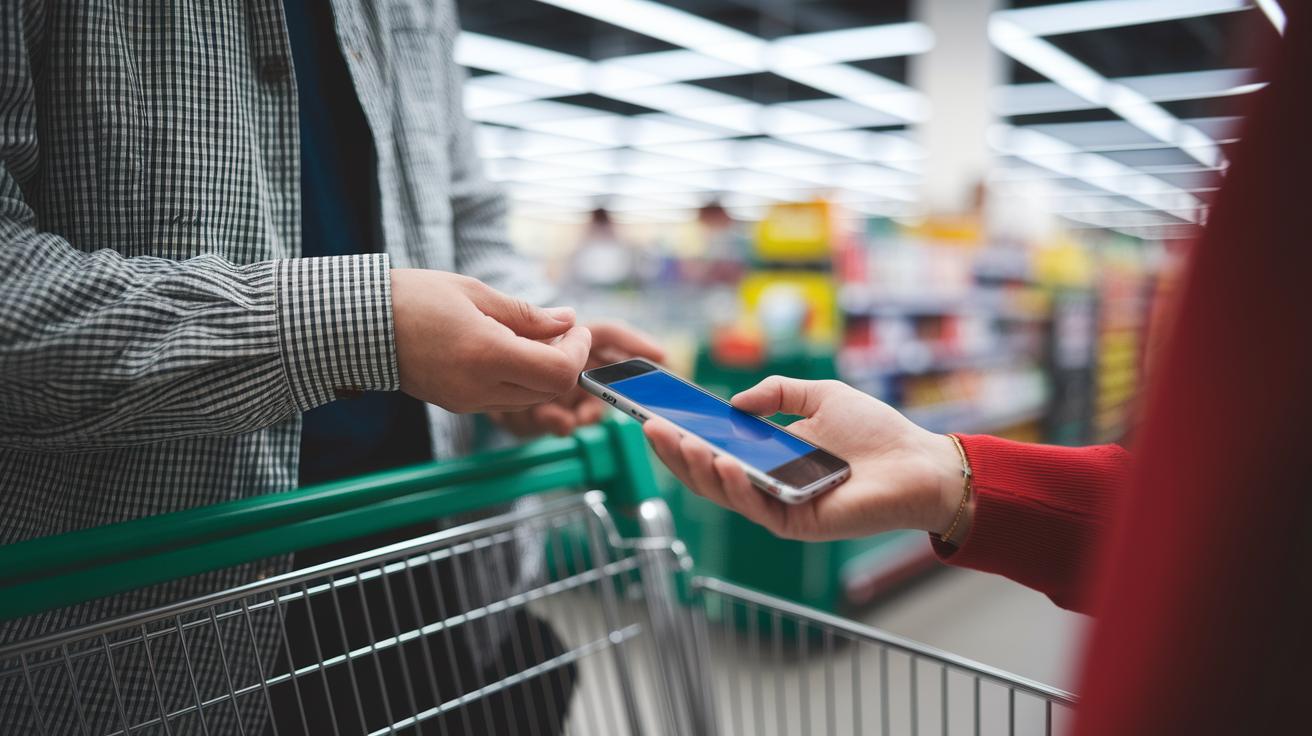
Young shoppers today crave flexibility, which is why options like buy now, pay later and mobile checkouts are so popular. They let you complete a payment with just a quick tap on your smartphone, like crossing something off your grocery list.
Consumers also value simplicity when it comes to returns and saving money. They want an easy, straightforward process that feels as simple as sending a text. Trusted brands with clear value make digital payments feel smooth and stress-free.
Forecasts, Projections, and Future Consumer Trends

Sixty-six percent of brands say they expect more supply chain pressures through 2025, with delays and higher costs on the rise. Imagine a warehouse supervisor quickly changing shipping schedules when unexpected holdups occur. This shows how fast companies must adapt to keep things running smoothly.
To tackle these hurdles, many brands are mixing together their in-store, online, and social media experiences. They’re creating a seamless, one-stop-shop feel for customers. For example, back in 2019, one retailer joined its physical store with its online operations and saw a big jump in sales within just a few months.
By moving quickly and using smart forecasts, companies are reshaping how they compete. They’re taking on supply chain issues head-on and using integrated strategies to keep growing, even when times are uncertain.
Case Studies on Brand Adaptation to Consumer Trends

Brands are changing how they do business to keep up with fast-changing market trends. They’re tweaking prices, updating return policies, and mixing online and in-store experiences to stay ahead. These hands-on examples show that a bit of creativity really helps keep customers happy, even when things get rocky.
| Brand | Adaptation | Impact |
|---|---|---|
| Zara | Added shipping fees but kept the return process simple | Customers remained pleased while controlling costs |
| H&M | Introduced an easy return system, even with new shipping fees | Balanced cost changes and kept customer trust |
| Direct-to-Consumer Brand | Used pop-up shops and combined online, social, and in-store methods | Strengthened community ties and grew market share |
These cases remind us that being flexible is key today. Companies aren’t just struggling with supply chain issues, they’re also improving every step of the customer journey. By mixing traditional shopping with digital ease, brands create a smooth experience that really clicks with people. In truth, a flexible plan that covers everything from better shipping and returns to local events can build lasting loyalty. It just shows that smart, small changes today can build strong bonds for the future.
Final Words
In the action, we broke down how buyer behavior evolves with shifting tech, ethical views, and payment habits.
Survey insights and case studies showed smart shifts in mobile and social commerce, plus buyers adjusting to store-brand options amid inflation.
We covered everything from search trends to real-world brand responses, reminding us that consumer trends drive smarter choices. Keep these insights in mind as you manage and grow your investments, and stay positive about future opportunities.
FAQ
What is a consumer trend?
A consumer trend is a change in buying behavior that highlights evolving preferences and patterns, such as the shift toward mobile shopping or changes driven by inflation.
What are the latest consumer trends and predictions for upcoming years like 2025 or 2026?
The latest consumer trends indicate a surge in mobile and social commerce, with buyers shifting from premium labels to store brands; predictions also show these shifts may continue well into 2025 and 2026.
What are some examples of consumer trends?
Examples of consumer trends include the rise of social commerce for product discovery, increased use of mobile payment methods, greater reliance on buy-now-pay-later options, and evolving responses to inflation.
What are consumers buying most?
Consumers are primarily opting for flexible, value-driven products; many are switching from high-end labels to cost-effective alternatives while embracing digital shopping methods like mobile commerce.
Where can I find consumer trends PDFs and reports?
Consumer trends PDFs and reports compile survey data and detailed analysis on shifting buying behaviors, providing insights to help brands adjust strategies based on evolving market patterns.