

Ever wondered if splitting your market into smaller groups could boost your business? Market segmentation is just like slicing up a pie so that every piece fits perfectly. It means taking a large audience and breaking it into groups with similar needs using straightforward data from surveys or website visits. This way, companies can chat directly with each group without wasting money. In this post, we’ll show you how clear, focused messages build loyal customers and drive business success.
Segmentation Fundamentals: Foundations of Market Partitioning

Market segmentation is like splitting a big pie into smaller slices so that each slice gets just the right topping. It means taking all the people out there and grouping them into smaller bunches that share similar needs, traits, or behaviors. This way, businesses can talk directly to each group with tailored ideas. They use simple data and clear number checks to find groups that are easy to reach and truly matter, making every dollar spent more effective and keeping customers smiling.
Companies usually gather this helpful data through surveys, interviews, and website visits. They also take a good look at what competitors are doing and follow market trends. In short, these steps show which groups are likely to stick around and bring long-term support.
| Type of Segmentation | Description |
|---|---|
| Demographic | Grouping people by age, income, education, and more |
| Geographic | Sorting audiences based on location, such as regions or cities |
| Psychographic | Focusing on lifestyles, values, and personal interests |
| Behavioral | Sorting by buying habits, usage, and brand loyalty |
A smart segmentation plan lets businesses send clear, focused messages that stick with each customer group. When companies address each group’s unique needs, they avoid wasting money and boost their return on investment. This clear path connects marketing efforts with real customer behavior, setting the stage for a really successful business.
Demographic Segmentation: Targeting by Population Groups
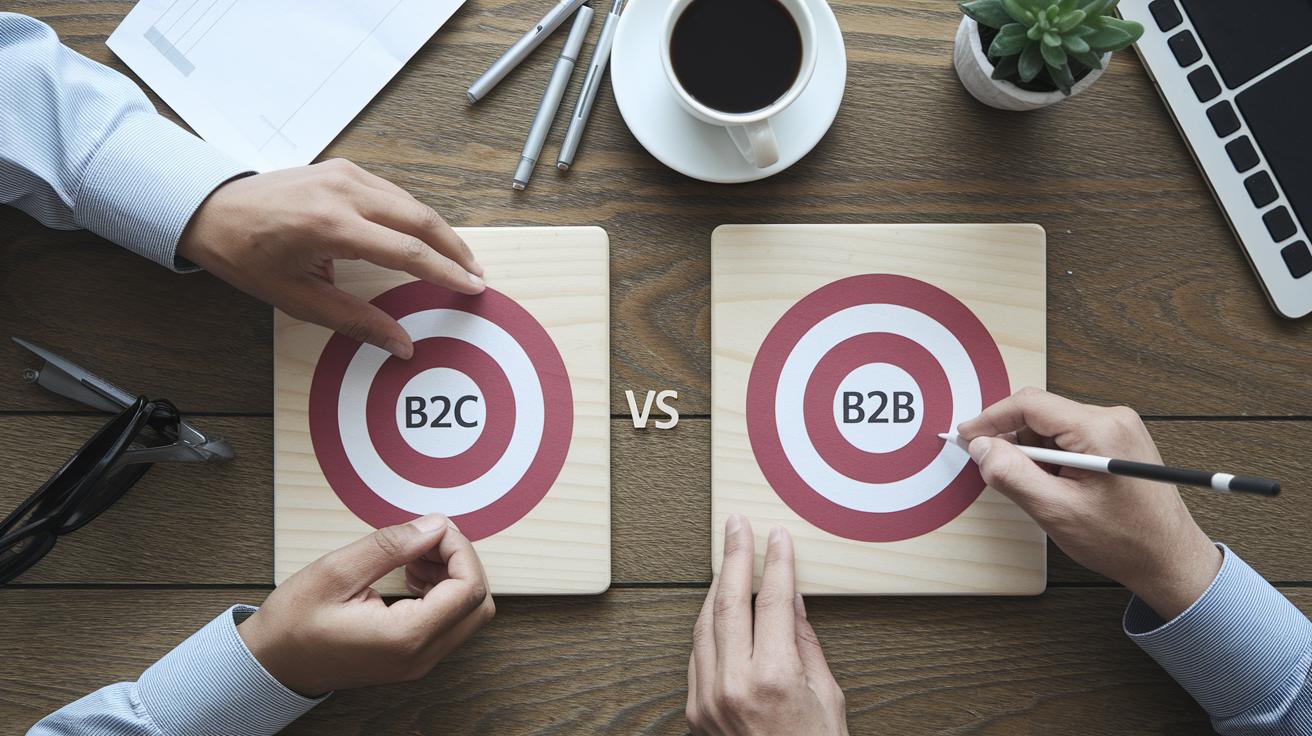
Demographic segmentation sorts people by simple, measurable traits. Companies use this method to match their products and messages with the right buyers. For example, when dealing with consumers, marketers consider age, gender, income, education, occupation, and family status. And for businesses, they look at things like industry type, company size, job role, and how long someone has been in their position. This clear-cut approach helps companies choose just the right tone and channel for each audience.
| Variable | B2C vs B2B Focus |
|---|---|
| Age / Industry Type | B2C: Age groups; B2B: Industry type |
| Gender / Company Size | B2C: Gender; B2B: Company size |
| Income / Role | B2C: Income levels; B2B: Decision-making role |
| Education / Tenure | B2C: Education level; B2B: Time in position |
| Occupation | B2C: Professional field; B2B: N/A |
| Family Status | B2C: Household structure; B2B: N/A |
Using these measurable details, companies can place products more effectively and choose the best ways to talk to their audience. This careful targeting not only sharpens the marketing message but also cuts down on wasted spending and builds stronger connections with individual consumers and business clients alike.
Psychographic Profiling: Insights into Customer Lifestyles

We group people not just by numbers but by their personalities, values, interests, and the way they live. This method digs deeper than basic data to uncover what really drives someone. It helps brands see not only who their customers are but also how they live and what sparks their decisions. For example, a company might find that a group of buyers cares a lot about eco-friendly products and looks for items that match that passion.
We often use interviews, focus groups, or surveys to get these personal insights. Chatting openly with people can reveal the little details behind their choices. A simple question like, "What inspires your everyday choices?" can show the hidden reasons behind why they buy something.
When brands understand these deeper insights, they can create messages that really connect on an emotional level. They tailor their marketing to match the values and lifestyles of their audience, making everything feel more genuine. This friendly approach not only boosts customer engagement but also builds strong, lasting bonds over time.
Geographic Analysis: Regional Audience Classification

Geographic segmentation splits people based on where they live, whether that’s a continent, country, region, city, or district. It considers simple factors like culture, weather, and language that influence how people shop. For example, a food brand might serve spicier meals in one region and milder ones in another because tastes can change by area. This helps companies make sure their products and messages feel right at home.
Businesses use mapping tools and location data to spot trends and find promising areas. Think of it like checking a map that highlights neighborhoods with growing demand. These tools track groups of customers, notice shifts in buying habits, and guide where to spend money, whether in busy cities or smaller towns. This focused approach often leads to smarter investments and more successful local campaigns.
Behavioral Clustering: Patterns and Purchase Behavior

Behavioral segmentation groups customers based on what they've done before. Companies look at past buying habits, how often customers use a product, and simple ratings and feedback to learn what drives choices. They use basic tools like website analytics and transaction records to gather this information. For instance, if someone frequently buys an item or leaves high ratings, it shows they trust the brand.
Brands use this info to connect better with their customers. By grouping people based on their past actions, companies can launch timely remarketing campaigns, offer personal discounts, and build loyalty programs that feel just right. Adjusting strategies using clear, behavior-based data helps businesses keep their customers and spend their marketing budget smartly, which leads to steady growth.
Market segmentation sparks smart business success

Niche segmentation focuses on small groups of consumers who have special interests or needs. Companies use data and prediction tools to find these unique groups. For example, imagine a brand that spots a group of eco-friendly young adults who care about ethical fashion. They then create messages that really speak to these values. This way, marketers move away from one-size-fits-all strategies and instead put their energy into reaching the people most likely to buy, all with clear and precise data.
Micro-targeting takes this idea even further. It means creating messages just for each small group, almost like having a custom conversation with each customer. Marketers run campaigns that address the exact interests of these groups. They look at things like conversion rates and return on investment to see how well they’re doing. Then, they tweak their offers based on what customers say and do. This focused method not only improves campaign performance but also creates a stronger connection with customers, making every marketing effort count.
Implementing Market Segmentation: Process Steps & Tools

First off, you kick things off by talking to real customers. This means asking questions in interviews, gathering thoughts from your sales team, checking how your website performs, and even looking at search trends. By doing this, you get a clear picture of what your customers like and need. For example, a quick question like, “What do you look for when buying this product?” can tell you a lot. It’s all about having solid data to help you sort people into smart groups.
Next, you dig into the details of your customer data. This step is about spotting patterns and picking out groups that you can easily measure and reach. Companies look for segments that show promise, like being profitable and easy to target. Sure, it can be a bit messy handling lots of data, but breaking it down properly means you won’t spend your budget on ideas that don’t work. Think of it like organizing a toolbox, everything gets placed where it’s needed most.
Finally, you use the right tools to keep an eye on how things are going. This involves using dashboards and key performance indicators to track results. There’s also help from solid market analysis via sources like market analysis to see how you stack up against competitors. Research shows that good segmentation can boost marketing returns up to 77% and increase yearly profit by 15%, compared to just 5% when it’s done poorly. By tackling issues such as data quality and cost head-on, you make sure every marketing dollar works as hard as possible.
Market Segmentation Case Studies: Real-World Examples & Outcomes

Canon Case Study
Canon smartly reached a 40% share of the low-end camera market by focusing on tech-savvy kids. This shows that zeroing in on a small group helps a brand share messages that truly hit home. Imagine a fun campaign made just for children who love technology, catching their interest while also winning over their parents.
MetLife Case Study
MetLife trimmed its customer groups to save around $800 million every year. By splitting a huge customer base into smaller, clear groups, they could create insurance plans that fit each group perfectly. This move cut extra costs and made services smoother, proving that smart segmentation brings big savings.
Rockport Case Study
Rockport increased revenue per lead by 30% with a tailored approach to capturing leads. They saw open rates in their email campaigns grow by 14.3% and overall revenue jump by as much as 760%. Their plan was to monitor customer actions and send messages that fit different groups, turning deep customer insights into real growth.
Market segmentation does more than just fine-tune your message, it can also boost your bottom line. These examples show how breaking your audience into smaller groups lets you create focused campaigns. With this strategy, brands can see better returns on their investments, connect more with customers, and enjoy the clear gains from knowing their audience well.
Final Words
In the action, this article broke down key elements like segmentation fundamentals, demographic targeting, psychographic profiling, geographic analysis, behavioral clustering, niche identification, and process tools. We explored how these concepts help shape effective strategies using smart data collection with market research tools and clear steps for performance tracking. Each section built on a hands-on approach that brings market segmentation to life for decision-making. It’s a reminder that thoughtful segmentation gives you the edge to manage your finances with clarity and confidence. Stay motivated and keep exploring smart financial choices.
FAQ
What is market segmentation?
The market segmentation means dividing a broad target market into smaller groups that share similar needs, traits, or behaviors. This practice improves targeting and helps deliver tailored offers.
What are the key types of market segmentation?
The market segmentation types include demographic, psychographic, geographic, and behavioral. Each type sorts consumers based on specific factors like age, lifestyle, location, or purchasing habits.
What is an example of market segmentation?
An example of market segmentation is grouping customers by age, such as marketing gadgets differently to teenagers compared to mature consumers, ensuring the messaging resonates with each group’s interests.
Why is market segmentation important?
The importance of market segmentation lies in its ability to refine targeting. By focusing on distinct groups, companies can optimize spending, enhance customer loyalty, and realize better returns on investment.
What are the bases, characteristics, and levels of market segmentation?
The segmentation bases include demographic, geographic, psychographic, and behavioral variables. Its characteristics are measurability, accessibility, and significance, while levels range from broad categories to targeted niche groups, each enhancing strategic decision-making.