

Have you ever thought about how the prices you set could be the hidden key to growing your business? Smart pricing can boost your sales and attract customers who stick around for more.
Try mixing things up. You might start with low introductory offers or choose higher prices to suggest premium quality. These moves can help you cover costs while reaching a variety of buyers.
In this post, we break down clear pricing models that match what your product is worth with what customers are willing to pay. This approach can spark real growth and keep your business on a steady upward path.
Pricing Strategy Examples Spark Profitable Business Growth

Mixing different pricing strategies can help you boost your earnings and win over more customers. When you use a variety of tactics, you cover your costs while still offering deals that attract both new buyers and loyal fans. Trying out different models lets you set prices that match your product's value and what your customers are comfortable paying, all while keeping your business positioned well in the market.
- Economy pricing: Offer products at very low prices to encourage lots of sales.
- Penetration pricing: Start with a low introductory price to quickly build a large customer base.
- Price skimming: Kick off with high prices to capture early profits from eager buyers, then lower them later to draw in more customers.
- Premium pricing: Set higher prices to signal top-notch quality and special benefits.
- Bundle pricing: Package related products or services together at a single, often discounted, rate that adds extra value.
- Pay-what-you-want: Let customers decide the price, which can create a sense of fairness and sometimes boost sales.
Keep an eye out for case studies that dive deeper into each tactic. They’ll guide you on using these methods to fuel growth and adjust your approach based on real-world examples.
Cost-Plus and Competitive Pricing Strategy Examples

Cost-plus pricing means you first work out how much it costs to make one unit and then add a set profit margin. For example, think of a shop owner who adds a 20% markup on products to cover overhead and earn a profit. On the other hand, competitive pricing means setting your price based on what others in your industry are charging, much like gas stations that adjust their rates to beat competitors. Both approaches need you to have clear cost data and a solid market view so you don’t end up shrinking your profit margin.
| Strategy | Definition | Real-World Example |
|---|---|---|
| Cost-Plus Pricing | Price = unit cost + target margin | Shop owners adding a 20% markup on products |
| Competitive Pricing | Prices based on industry benchmarks | Gas stations adjusting prices to stay competitive |
Cost-plus pricing works well if you have steady production costs and clear profit targets. In contrast, competitive pricing is ideal in markets where prices frequently shift and companies monitor trends using market research tools. Both strategies help align your pricing with your internal costs or the current market, so you can hit your business goals with more confidence.
Penetration vs. Price Skimming Pricing Strategy Examples
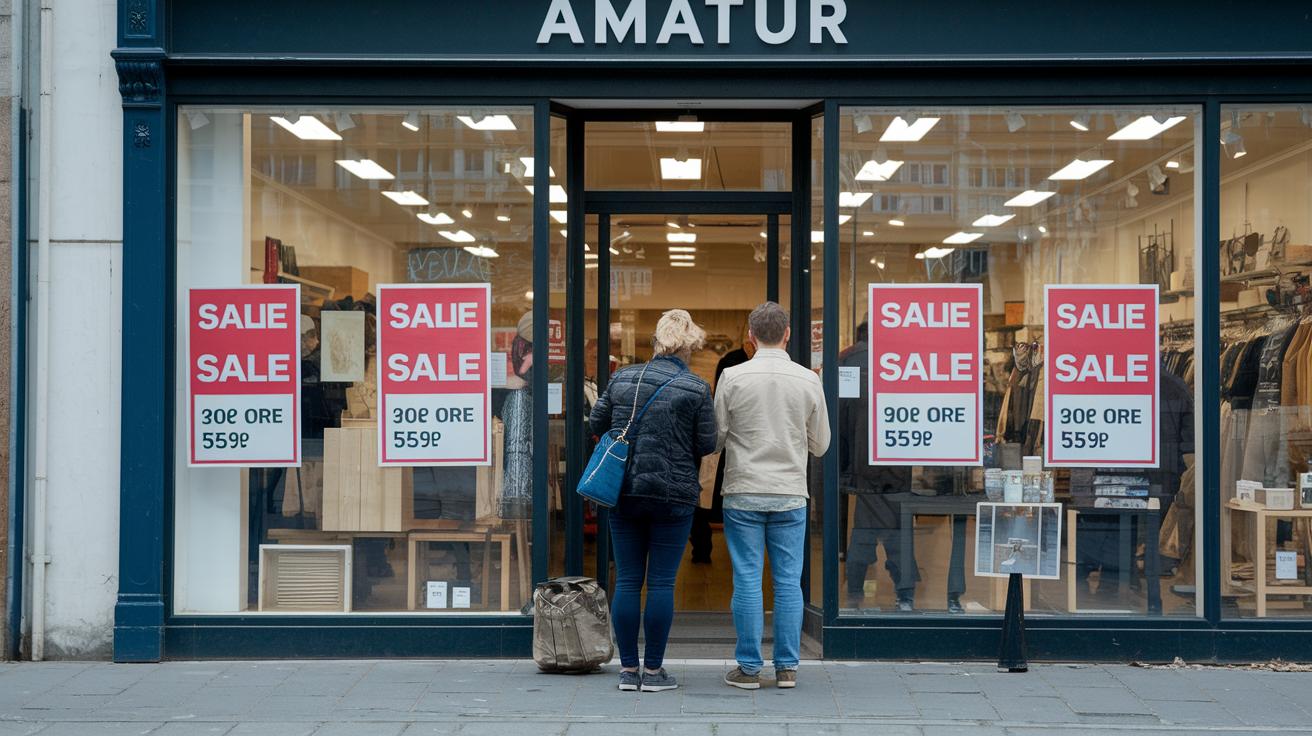
Penetration pricing is all about starting low so you can grab a slice of the market fast. For example, ride-hailing companies sometimes offer a free first ride so you can try their service without any risk. Subscription services might also drop their prices steeply at first in order to sign up early users, which helps build a steady stream of revenue. A local gym might charge a very low introductory rate to encourage people to join. The upsides are clear: you win customers quickly and boost your market presence. On the flip side, you might see thinner profit margins at the start and face a tricky challenge when you need to raise prices later on.
Price skimming takes a different route by launching with a high price aimed at early adopters. Think about smartphones that hit the market with a premium price before gradually becoming more affordable. Or consider gaming consoles that start off expensive, attracting collectors and enthusiasts willing to pay top dollar at launch. High-end tech gadgets often debut with a high price tag to cover costly production and research. This method lets companies recover investment costs swiftly and gives the product a premium feel. However, the higher price can turn off customers who are more mindful of a tight budget.
Value-Based and Psychological Pricing Strategy Examples
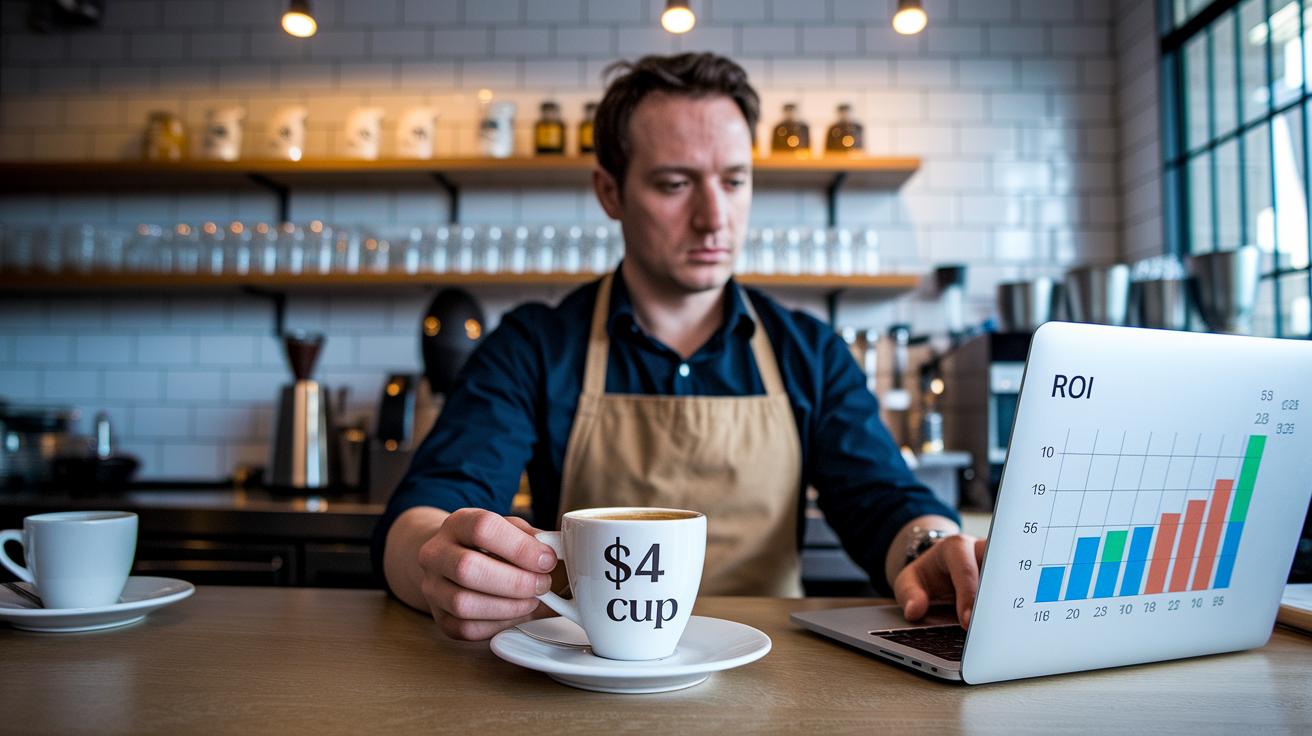
When you match prices to what customers think is worth it, you’re not just covering costs, you're building a promise of value. Imagine setting a price that reflects the benefits that matter most to your buyers. That way, they see the extra value in paying a bit more for quality or unique features.
Take a couple of examples. A high-end coffee shop might charge over $4 per cup because folks love the richer taste and the care behind sourcing their beans. And a software company could price its product based on the return on investment (ROI) buyers expect, for instance, promising that the tool pays for itself through increased efficiency. These strategies show that when customers clearly see the benefits, they’re more likely to invest in what feels right for their needs.
On a similar note, psychological pricing is smart at nudging customers toward a purchase. A common trick is charm pricing, like listing something at $9.99 instead of a round $10. It subtly makes a deal feel better. On the flip side, some retailers use round figures to give a sense of luxury and exclusivity, called prestige pricing. Both methods gently influence how consumers think about prices, making them feel smart about their choices.
Bundle, Tiered, and Loss Leader Pricing Strategy Examples
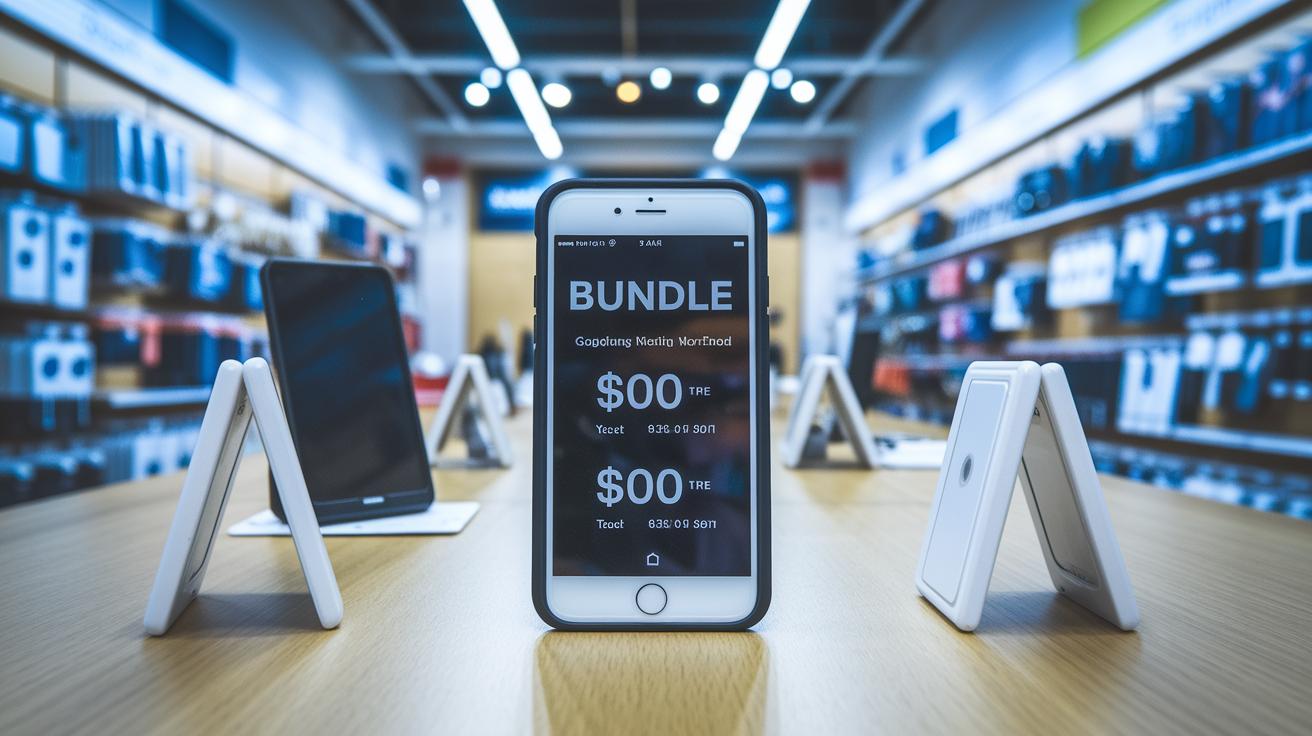
Bundle pricing groups related items together, encouraging you to spend a bit more in one go. For example, a fast-food joint might sell a combo meal with a burger, fries, and a soft drink for a price that's lower than buying each separately. Likewise, a tech store might offer a smartphone bundled with a case and screen protector, making the deal more tempting. This strategy not only drives extra sales but also makes your choices easier.
Tiered pricing gives you different levels of service to suit various needs. One software company might offer a free version with the basics, a standard plan for everyday users, and a premium option loaded with extra features for power users. Another might organize its plans as basic, professional, and enterprise, so businesses can pick what fits both their usage and budget. This method fits a wider range of customers and often nudges users to upgrade as their needs grow.
Loss leader pricing is a smart move where key items are sold nearly at cost to attract customers. Picture a store offering a printer at a very low price, knowing you'll likely buy the expensive ink and accessories later. This approach boosts overall sales and helps build customer loyalty by making everyday purchases feel like great deals.
Dynamic, Freemium, and Pay-What-You-Want Pricing Strategy Examples
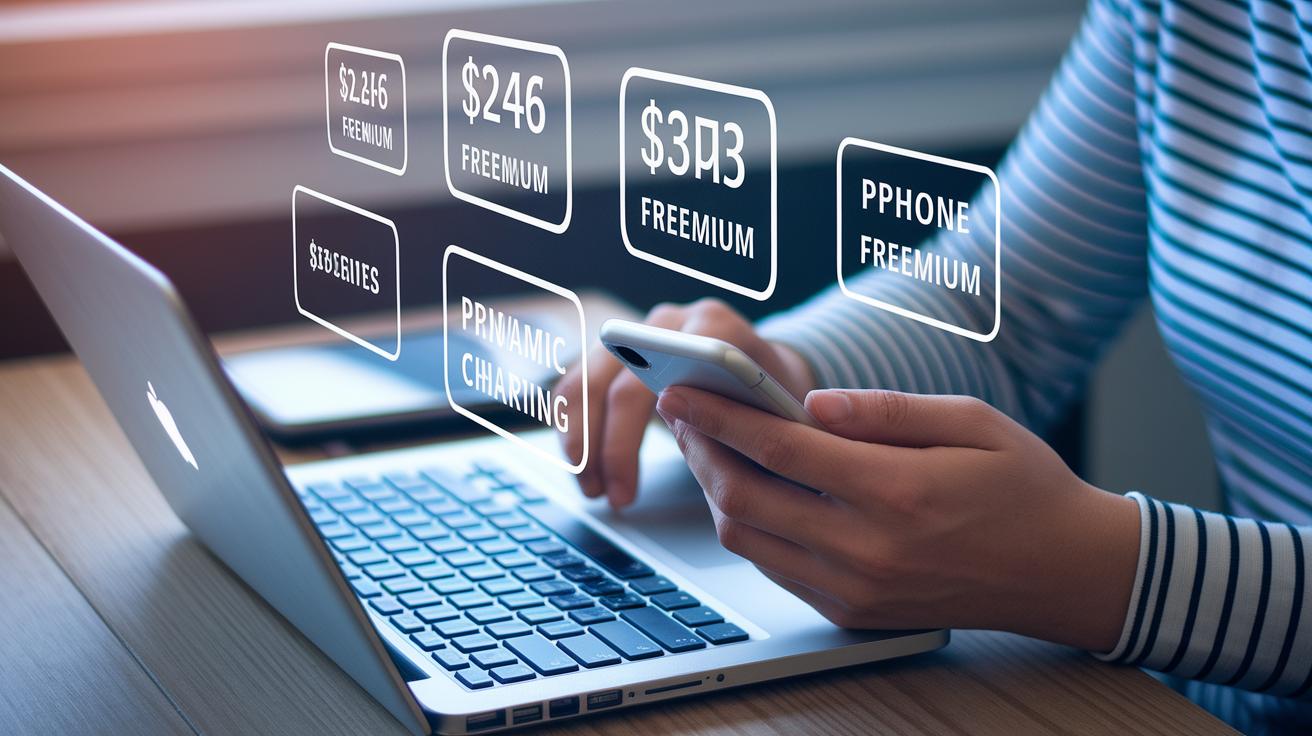
Dynamic pricing lets companies change prices almost instantly based on customer demand and other conditions. For instance, ride-sharing apps sometimes charge more during busy times, and airline tickets may go up when lots of people are flying. Companies use smart programs to watch supply and demand, so prices stay fair for the moment. They also mix in technical checks, like tracking web visits, with marketing plans that focus on keeping customers happy.
Freemium pricing means you get basic services for free while having the option to pay for extra features. It’s like sampling a treat, you get a little taste of what’s offered, and if you like it, you might upgrade. Behind the scenes, companies ensure their platforms work well and the upgrade process is smooth. They also highlight the benefits of going paid so users see clear reasons to spend a bit more.
Pay-what-you-want pricing gives you the power to choose what you pay for a product or service. This method can spark excitement and make you feel like you’re in control. It’s been used successfully for things like album drops and special restaurant events that also help charity projects. On the technical side, businesses set up secure systems that handle different amounts. Meanwhile, marketing teams explain the value behind this model so you feel confident in picking your own price.
Industry-Specific Pricing Strategy Examples and Best Practices

Big retailers like Walmart keep prices low every day to attract shoppers. They study how much things cost to make and how people shop, then price items so they're affordable. They even adjust their pricing for different groups of customers (market segmentation, which means setting different prices for different buyers) so that both deal-seekers and regular shoppers feel taken care of.
Hotels also change their rates based on the time of year. During busy times, they slightly bump up prices to make more money, and in slow periods, they drop prices to bring in more guests. This flexible approach helps them fill rooms while keeping their revenue steady throughout the year.
Software companies often use subscription models with different pricing levels. They offer a basic plan for simple needs and upgrade options for those who want more features. This way, users can pick a plan that fits their budget, and the company enjoys a steady flow of income.
Healthcare providers usually set prices based on the value they deliver. They look at the real benefits patients receive and price their services accordingly. This value-based approach builds trust and shows that fair pricing can lead to better care.
Final Words
In the action, we've walked through pricing models that mix theory with practice, showcasing essential pricing strategy examples from economy to dynamic tactics. Every approach, including cost-plus, skimming, value-based, bundle, and freemium, offers clear steps to align price with market value.
This blog post mapped out how each model adapts to diverse business needs. Enjoy putting these ideas to work and watch your pricing strategy work in your favor.
FAQ
Q: How does pricing strategy in marketing work?
A: The pricing strategy in marketing sets prices to attract customers and boost revenue by matching product value with market expectations, ultimately influencing sales performance and profit margins.
Q: What are examples of pricing strategies in business plans and companies?
A: Pricing strategy examples in business plans and companies include cost-plus, competitive, penetration, skimming, and premium pricing, each providing a clear framework for setting prices to achieve sales and revenue targets.
Q: What does pricing strategy definition mean?
A: The pricing strategy definition refers to the method a business uses to set prices, balancing cost, market rates, and customer value perceptions to drive profitability.
Q: How can a pricing strategy template help businesses?
A: A pricing strategy template helps businesses organize pricing options, analyze competitors, and plan revenue goals, providing a ready-to-use guide for making informed price-setting decisions.
Q: What are the 10 types of pricing strategies?
A: Ten types of pricing strategies include economy, penetration, skimming, premium, bundle, pay-what-you-want, dynamic, freemium, tiered, and loss leader pricing, each designed for specific market situations.
Q: Where can I find a pricing strategies PDF?
A: Pricing strategies PDF documents offer detailed examples, templates, and case studies that help businesses understand and implement various pricing methods tailored to their market context.
Q: What is an example of a pricing strategy?
A: An example of a pricing strategy is the cost-plus model, where a business adds a fixed margin to the cost of producing a product, ensuring profitability on each sale.
Q: What are the 4 pricing strategies?
A: The four pricing strategies are typically economy, penetration, skimming, and premium pricing, each catering to different competitive and market demand scenarios.
Q: What are the five most common pricing strategies?
A: The five most common pricing strategies include cost-plus, competitive, penetration, premium, and value-based pricing, each widely used to match products with market needs and consumer expectations.
Q: What are the 5 C’s of pricing?
A: The 5 C’s of pricing encompass cost, customers, competition, channel, and compatibility, offering a structured approach to setting prices that resonate with market conditions and business goals.